


Can drinking too much infant formula cause “internal heat”?

Whether breastfeeding or formula-feeding, one of the most common concerns for new mothers is determining how much formula to feed their baby each day—overfeeding can easily occur. So, does overconsumption of formula lead to “internal heat” (a traditional Chinese medicine concept referring to symptoms such as constipation, dry mouth, irritability, and skin rashes)?
Can excessive formula intake cause “internal heat”?
Yes, excessive formula intake may contribute to “internal heat.” Proper preparation and proportioning of formula are essential. Both overfeeding and underfeeding can potentially trigger “internal heat,” primarily because excess nutrients cannot be adequately absorbed. However, this does not mean that less formula powder should be used per serving—doing so compromises nutritional adequacy. Instead, adding a small amount of infant digestive aid (“milk companion”) or a mild herbal supplement designed to clear “heat” (“Qinghuo Bao”) may help prevent “internal heat.” Many formulas contain palm oil, which may increase the risk of “internal heat” in infants. If signs of “internal heat” appear, increasing plain boiled water intake is recommended—juice should not be substituted, but formula concentration may be slightly diluted. Additionally, formulas fortified with prebiotics can support healthy intestinal development, enhance nutrient absorption, promote regular bowel movements, and reduce the likelihood of “internal heat.”
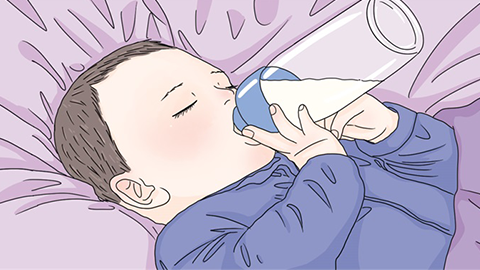
Feeding should follow a consistent schedule. For exclusively breastfed infants, feeding every 4 hours is generally appropriate during the first three months, with slightly longer intervals overnight. For formula-fed infants, feeding intervals may be somewhat longer, as formula contains larger protein molecules than breast milk and is therefore more difficult to digest.

In fact, many newborn habits—including feeding patterns—are shaped by parental practices. Crying does not automatically signal hunger; instead, establishing a predictable feeding routine is advisable. Over time, feeding intervals will naturally lengthen, allowing both parents and babies to rest adequately and preventing overfeeding. We hope this information proves helpful!


