


Can eating too many garlic scapes cause “internal heat” (a traditional Chinese medicine concept)?

Garlic scapes are an excellent health-promoting vegetable, offering abundant nutritional benefits. They are rich in protein, dietary fiber, and various vitamins. Some people simply cannot get enough of them—but can eating too many garlic scapes cause “internal heat” (a traditional Chinese medicine concept referring to excessive internal body heat)?
Can eating too many garlic scapes cause “internal heat”?
Eating garlic scapes does not cause “internal heat.” Garlic scapes contain capsaicin, which exhibits antibacterial activity approximately one-tenth that of penicillin. They effectively kill pathogenic bacteria and parasites, helping prevent influenza, reduce wound infections, treat infectious diseases, and expel intestinal parasites. Garlic itself has a warm, pungent nature in traditional Chinese medicine and is known for its ability to warm the middle burner, regulate Qi downward, tonify deficiency, harmonize the five zang organs, invigorate blood circulation, inhibit cancer development, and exert antimicrobial effects—making it beneficial for relieving abdominal pain and diarrhea.
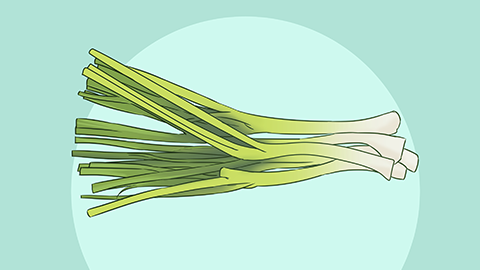
Garlic scapes are particularly high in vitamin C and protein. Regular consumption helps meet daily nutritional requirements. They also contain substantial amounts of beta-carotene, thiamine (vitamin B1), and riboflavin (vitamin B2), all of which confer significant health benefits. In certain respects, garlic scapes even surpass garlic in nutritional value: their levels of dietary fiber, vitamin C, vitamin A, and beta-carotene are all higher than those found in garlic cloves. Moreover, garlic scapes contain allicin—the same bioactive compound responsible for many of garlic’s health benefits—thus conferring similar health-promoting properties.

Individuals with poor digestion should limit their intake of garlic scapes. Excessive consumption may impair vision. While garlic scapes support liver health, overconsumption can damage the liver and potentially lead to abnormal liver function or exacerbate pre-existing liver disease. We hope this information proves helpful!


