


What Causes Barbiturate Poisoning?

Barbiturates exert a generalized inhibitory effect on the central nervous system (CNS). As the dosage increases, CNS depression intensifies progressively, manifesting clinically as sedation, anticonvulsant effects, and anesthesia. However, overdose or toxicity may also occur. What are the causes of barbiturate poisoning?
Causes of Barbiturate Poisoning
Poisoning most commonly results from drug overdose. Mild symptoms may include dizziness, headache, psychomotor retardation, and slurred speech. Severe poisoning can lead to coma and miosis (pupillary constriction); some patients may exhibit loss of corneal and tendon reflexes. Respiratory failure is the leading cause of death in barbiturate poisoning, as these drugs depress respiration—causing shallow and slow breathing. High-dose barbiturates reduce the medulla’s sensitivity to carbon dioxide, resulting in respiratory depression and ultimately respiratory failure.
Barbiturates are derivatives of barbituric acid and are primarily used for sedation, hypnosis, anticonvulsant therapy, and pre-anesthetic medication. They are readily absorbed following oral administration or intramuscular injection. Their principal pharmacological action is CNS depression; however, these agents carry a high risk of tolerance development and addiction.
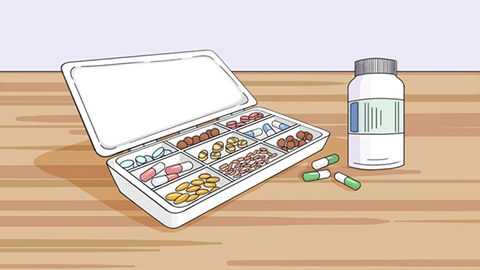
Prolonged use frequently leads to tolerance and dependence. Repeated dosing requires vigilance for cumulative toxicity. Rarely, patients may develop allergic reactions—including rash, exfoliative dermatitis, and fever. When used for epilepsy management, abrupt discontinuation must be avoided to prevent rebound seizures. Alcohol consumption is strictly contraindicated during treatment, and caution is advised in patients with hepatic or renal impairment. We hope this information proves helpful to you!


