What Are the Methods for Correcting Prominent Canines?
May 14, 2022
Source: Cainiu Health

Dr. Zhang Liwen
Introduction
Tiger tooth (canine) correction can be achieved using dental braces. Braces apply continuous, gentle pressure on the teeth, gradually shifting them into their proper positions until the canine is correctly aligned. Alternatively, surgical intervention may be performed—such as extracting a tooth occupying the space adjacent to the canine—followed by orthodontic force to reposition the canine into its ideal location. Another option is occlusal correction, which aims to improve alignment through bite adjustment.
A single prominent canine tooth (often affectionately called a “tiger tooth”) can appear charming and endearing. However, when such a tooth is malpositioned or interferes with the healthy development of adjacent teeth, orthodontic correction becomes necessary. So, what are the available methods for correcting prominent canines?
Methods for Correcting Prominent Canines
Correction of prominent canines can be achieved using dental braces. Braces apply continuous, gentle pressure to gradually reposition the teeth until the canine reaches its proper alignment. Alternatively, surgical intervention may be employed—such as extracting a neighboring tooth occupying the space intended for the canine—followed by external orthodontic force to guide the canine into its correct position. Another option is occlusal correction, which addresses malocclusion. When improper bite alignment is present, interceptive orthodontics can halt the progression of malocclusive deformities and guide dental and skeletal development toward proper alignment—thereby correcting the prominent canine.
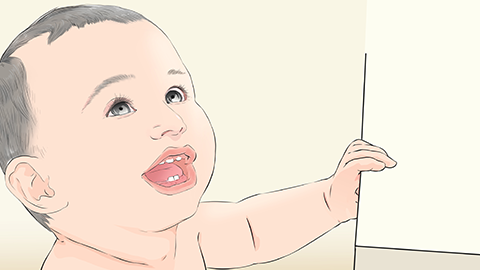
Orthodontic treatment not only enhances oral aesthetics but also restores normal occlusal function. Dental and maxillofacial deformities—including malocclusion, dental crowding, mandibular or maxillary discrepancies, and protruding upper incisors—may arise from congenital or acquired causes and significantly impact facial appearance. Orthodontic intervention improves occlusion and dental aesthetics while also preventing excessive tooth wear, ultimately achieving dental alignment and restoring physiological occlusal function.
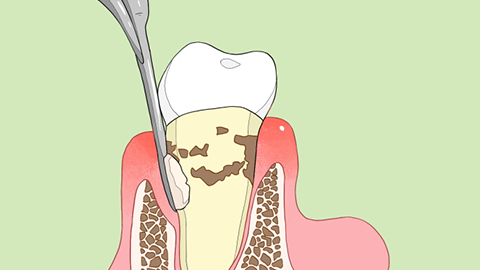
During orthodontic treatment, avoid spicy, irritating, or excessively hard foods. Maintain excellent oral hygiene: brush thoroughly after each meal and rinse your mouth promptly following every meal. We hope this information proves helpful to you!