


Is impetigo caused by “internal heat”?

A common, superficial, contact-transmitted skin infection characterized by the development of vesicles and pustules that readily rupture and form purulent crusts. Is impetigo caused by “internal heat” (a traditional Chinese medicine concept)?
Is impetigo caused by “internal heat”?
Impetigo is not caused by “internal heat.” Rather, it is primarily caused by infection with Staphylococcus aureus. When personal hygiene is neglected and the body’s immune resistance is low, minor skin injuries may become contaminated with pathogenic bacteria, leading to pathological changes such as vesicles and pustules. These lesions are prone to rupture, ultimately forming purulent sores. Without timely treatment, the infection may spread to other areas of the skin.
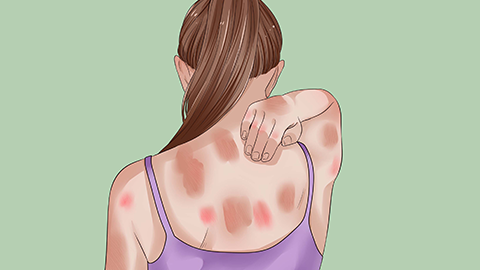
Impetigo is contagious—primarily a bacterial skin infection transmitted through close physical contact. It remains contagious in its early stages, necessitating careful observation. If fever develops alongside skin vesicles or pustules, prompt treatment with appropriate, sensitive anti-inflammatory (antibiotic) medications is required; in most cases, patients show significant improvement.
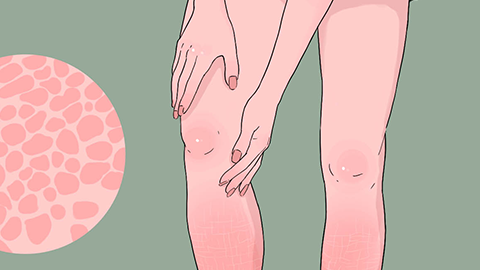
To prevent impetigo, maintain good skin hygiene and avoid skin trauma. All daily items and wound-dressing materials used by affected children must be strictly disinfected or incinerated to prevent cross-infection. Children may benefit from appropriate vitamin supplementation; in certain cases, intramuscular injection of gamma globulin may be administered to enhance immunity. Where available, vaccination with Staphylococcus and/or Streptococcus vaccines—or a multivalent combined vaccine—may also be considered. We hope this information proves helpful!


