


What are the side effects of Bu Zhong Yi Qi Wan?

Bu Zhong Yi Qi Wan (Tonify the Spleen and Augment the Qi Pills) is a commonly used traditional Chinese medicine in daily life, offering numerous health benefits. However, it may also cause certain adverse effects—some individuals may not fully understand what these side effects entail. So, what are the potential side effects of Bu Zhong Yi Qi Wan?
What Are the Side Effects of Bu Zhong Yi Qi Wan?
Bu Zhong Yi Qi Wan may produce some side effects, including common symptoms such as dizziness and headache. Some individuals may also experience tinnitus or elevated blood pressure. Excessive dosage may trigger “heat-type” colds (a TCM pattern characterized by fever, sore throat, and other heat signs), while those with allergic constitutions may develop allergic reactions—severe cases may even lead to anaphylactic shock. Therefore, strict adherence to physician guidance is essential when taking this medication. Bu Zhong Yi Qi Wan functions to tonify Qi and lift Yang, and also regulates and strengthens the Spleen and Stomach. It is commonly prescribed for fatigue and lassitude resulting from Spleen and Stomach deficiency.

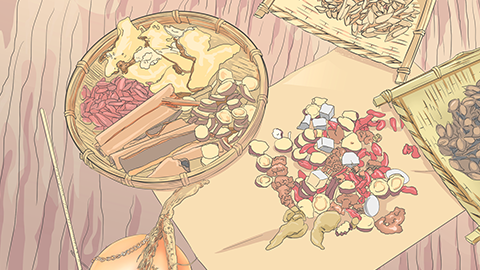
Because ingredients such as Huang Qi (Astragalus root), Sheng Ma (Cimicifuga rhizome), Chai Hu (Bupleurum root), and Chen Pi (dried tangerine peel) in Bu Zhong Yi Qi Wan possess properties that lift and support Yang Qi, the formula can help improve organ prolapse caused by Yang Qi deficiency. Additionally, Bu Zhong Yi Qi Wan has the effect of clearing “deficiency-heat” using sweet-warm herbs, making it beneficial for treating internal injury fever due to Qi deficiency. This type of fever typically presents as low-grade fever accompanied by symptoms such as Qi deficiency–related fatigue, shortness of breath, and reluctance to speak.
Patients should take Bu Zhong Yi Qi Wan only under the guidance of a qualified healthcare provider. Concurrent use with cold/flu medications is not recommended. Individuals presenting with exterior syndromes—such as aversion to cold and fever—or those with excess patterns (e.g., epigastric or abdominal distension and fullness due to overeating) should avoid this formula. Patients are advised to adopt healthy lifestyle habits, maintain regular sleep schedules, ensure adequate rest, avoid staying up late, and prevent excessive physical exertion. We hope this information proves helpful!


