


Side Effects of Qiju Dihuang Pills
May 15, 2022
Source: Cainiu Health

Dr. He Haochen
Introduction
Qiju Dihuang Wan is primarily composed of ingredients such as Lycii Fructus (Goji berries), Chrysanthemi Flos (chrysanthemum flowers), Rehmanniae Radix Praeparata (prepared rehmannia root), Dioscoreae Rhizoma (Chinese yam), Moutan Cortex (tree peony bark), and Alismatis Rhizoma (alismatis rhizome). It mainly functions to tonify the kidneys, nourish essence, nourish the liver, improve vision, and clear deficient heat. Its therapeutic effects include the following: effectively alleviating symptoms caused by liver-kidney yin deficiency—such as dry, gritty eyes; tinnitus or hearing loss; and soreness and weakness in the lower back and knees—as well as improving symptoms like irritability or insomnia with vivid dreams resulting from yin deficiency with internal heat.
Qiju Dihuang Wan is available as brownish-black honey-water pills, dark brownish small honey pills, or large honey pills; it has a sweet taste with a slight sourness. This medicine is a traditional Chinese patent medicine falling within the category of traditional Chinese medicine (TCM). What are the side effects of Qiju Dihuang Wan?
Side Effects of Qiju Dihuang Wan
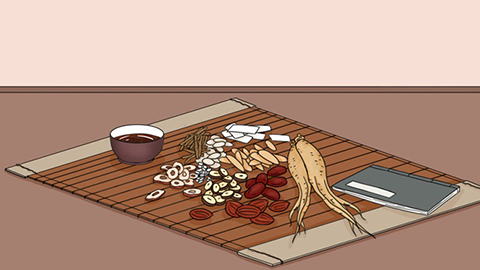
Qiju Dihuang Wan consists primarily of ingredients including Lycium barbarum fruit (Gouqi), chrysanthemum flower (Ju Hua), prepared Rehmannia glutinosa root (Shu Dihuang), Chinese yam rhizome (Shan Yao), tree peony bark (Mu Dan Pi), and alisma rhizome (Ze Xie). Its principal therapeutic actions include nourishing the kidneys and replenishing essence, nourishing the liver and improving vision, and clearing deficient heat. Specifically, it effectively alleviates symptoms associated with liver-kidney yin deficiency—such as dry, gritty eyes; tinnitus or hearing loss; and soreness and weakness in the lower back and knees. It may also be used to relieve symptoms arising from yin deficiency with internal heat—including irritability, insomnia with vivid dreams, and sensations of heat in the palms and soles.
If the patient’s condition shows no improvement after a period of treatment, medication should be discontinued and appropriate medical evaluation undertaken. Qiju Dihuang Wan functions primarily to improve vision and nourish the liver while tonifying the kidneys and enriching essence; it is mainly indicated for conditions resulting from kidney deficiency—such as fatigue, declining visual acuity, and generalized physical exhaustion.

When taken as directed, Qiju Dihuang Wan generally does not cause adverse effects. However, excessive dosage or prolonged use may lead to gastrointestinal discomfort and exacerbation of internal cold. Therefore, individuals with kidney-yang deficiency or constitutionally cold-damp constitutions should strictly avoid this formula. Additionally, patients with common colds or febrile illnesses, those with chronic diseases, pregnant women, and children should use this medicine with caution. We hope this information proves helpful to you!



