


Do chocolate cysts disappear after pregnancy?

Many women with basic knowledge of gynecological conditions understand that ovarian cysts are associated, to some extent, with hormonal levels in the body. However, during pregnancy, a woman’s hormone levels undergo significant changes—leading some women with endometriomas (commonly known as “chocolate cysts”) to wonder whether the condition might resolve spontaneously during pregnancy. So, do chocolate cysts disappear after pregnancy?
Do chocolate cysts disappear after pregnancy?
In most cases, chocolate cysts are pathological and therefore unlikely to resolve spontaneously following pregnancy. A chocolate cyst is, in fact, a manifestation of endometriosis—specifically, endometrial tissue that has migrated and implanted on the ovary. This ectopic endometrial tissue undergoes cyclical changes mirroring those of the uterine endometrium: proliferation, secretion, and eventual shedding triggered by hormonal withdrawal. When bleeding occurs within the ovary, the blood cannot exit the body and instead accumulates, becoming dark brown or “chocolate-colored”—hence the term “chocolate cyst.”
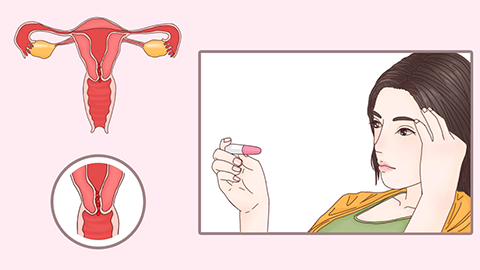
Typically, menstrual-related abdominal pain progressively worsens over time. During pregnancy, however, the endometrium does not undergo its usual cyclical changes—and neither does the ectopic endometrial tissue within the ovary. Consequently, while the cyst may become temporarily quiescent, it does not vanish. Surgical intervention is generally recommended.
Chocolate cysts do not arise solely from elevated hormone levels; rather, their primary cause is endometriosis. Each month, women menstruate—meaning part of the endometrium is shed and exits the body via the vagina. Occasionally, however, endometrial tissue fails to exit properly and instead migrates retrograde through the fallopian tubes. We hope this explanation proves helpful!


