


What are the causes of persistent low-grade fever in children?

Persistent low-grade fever is relatively common in daily life and is most often caused by colds or sore throats. What are the possible causes of persistent low-grade fever in children?
What Causes Persistent Low-Grade Fever in Children?
When a child experiences persistent low-grade fever, it is essential to identify the underlying cause. The two most common causes include: (1) Infectious diseases, such as viral, bacterial, mycoplasmal, chlamydial, or parasitic infections—and other pathogenic microorganisms—which can lead to prolonged low-grade fever; and (2) Non-infectious conditions, including hematologic disorders (e.g., leukemia), connective tissue diseases (e.g., rheumatic fever), and endocrine disorders (e.g., hyperthyroidism), all of which may also manifest as persistent low-grade fever.
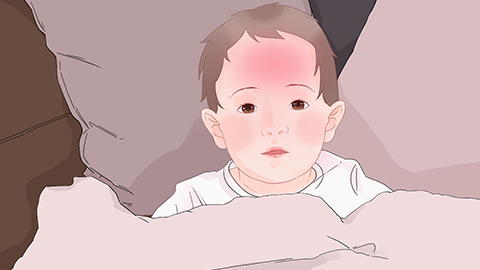
Therefore, when a child has persistent low-grade fever, carefully observe for accompanying symptoms—such as coughing, sputum production, hemoptysis, or skin rashes—and monitor for abnormalities in urination or bowel movements, as well as joint swelling or redness. A visit to the hospital is recommended for appropriate diagnostic testing. By evaluating associated symptoms, clinicians can rule out pulmonary, urinary tract, or gastrointestinal infections, as well as other non-infectious etiologies. Once the underlying cause is identified, targeted treatment should be initiated.
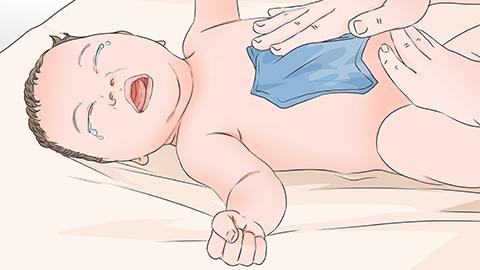
In daily care, ensure the child drinks plenty of warm water, maintains healthy lifestyle habits, gets adequate sleep, and avoids spicy or irritating foods. We hope this information is helpful to you!


