


What should I do in case of mercury poisoning?
May 16, 2022
Source: Cainiu Health

Dr. Wang Mingxuan
Introduction
Management of mercury poisoning varies depending on the route of exposure:
- Ingestion of mercury compounds: Administer milk or egg whites orally and/or activated charcoal, then immediately call 120 for emergency hospital admission. Subsequent treatment includes gastric lavage, enema, laxatives, intravenous fluid therapy, chelation therapy to remove mercury, and other supportive measures.
- Short-term inhalation of high-concentration mercury vapor: Immediate intravenous infusion is recommended, followed by chelation therapy to eliminate mercury.
Thermometers are commonly used in daily life. Many contain mercury, a toxic substance; consequently, some individuals may experience mercury poisoning—leaving them bewildered and unsure how to respond. What should one do in case of mercury poisoning?
What to Do in Case of Mercury Poisoning
Management strategies vary depending on the route of exposure:
• Ingestion of mercury compounds: Immediately consume milk or egg whites and/or activated charcoal orally, then call emergency services (120) for urgent hospital admission. Subsequent treatment may include gastric lavage, enema, laxatives, intravenous fluid therapy, chelation therapy to remove mercury, and other supportive measures.
• Short-term inhalation of high-concentration mercury vapor: Immediate intravenous infusion is recommended, followed by chelation therapy to eliminate mercury.
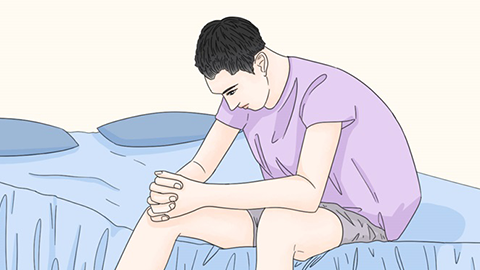
Primary manifestations of mercury poisoning involve psychological and neurological disorders, gingivitis, and tremors. Acute corrosive stomatitis and gastroenteritis may develop within minutes to hours after ingestion, accompanied by a metallic taste in the mouth, headache, dizziness, nausea, vomiting, abdominal pain, diarrhea, fatigue, chills, high fever, generalized malaise, and myalgia. Severe cases may progress to convulsions, coma, and psychiatric disturbances. Respiratory symptoms—including cough, chest pain, chest tightness, and dyspnea—may also occur. Some patients may develop fever, skin rashes, blisters, or even mucocutaneous erosion.
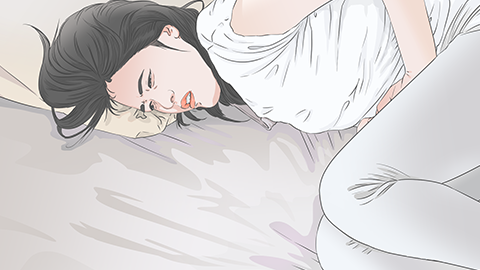
Exercise caution when handling mercury-containing items to prevent accidental breakage and subsequent mercury exposure, which may adversely affect health. If mercury poisoning is suspected, seek prompt medical attention to avoid disease progression. We hope this information proves helpful!





