


What is the therapeutic effect of Norfloxacin Capsules?
May 16, 2022
Source: Cainiu Health

Dr. Jiang Weimin
Introduction
Norfloxacin capsules are primarily used to treat infections caused by susceptible bacteria, including urinary tract infections, gonorrhea, prostatitis, intestinal infections, typhoid fever, and other Salmonella infections. As this drug is predominantly eliminated via the kidneys, and renal function commonly declines in elderly patients, dosage adjustments—including dose reduction—are generally required in this population. Should any adverse symptoms occur during treatment, the drug should be discontinued promptly and a physician consulted.
When patients with certain inflammatory diseases visit the hospital, physicians frequently prescribe norfloxacin capsules. These capsules are commonly prescribed—often in combination with other medications—but many patients remain unaware of their therapeutic effects. So, what is norfloxacin used for?
What is norfloxacin capsule used for?
Norfloxacin capsules are primarily indicated for the treatment of infections caused by susceptible bacteria, including urinary tract infections, gonorrhea, prostatitis, intestinal infections, typhoid fever, and other salmonella infections. As norfloxacin is predominantly eliminated via the kidneys, elderly patients—who often exhibit reduced renal function—require dose adjustment and reduction. Should any adverse symptoms arise during therapy, patients should discontinue the drug immediately and consult their physician.
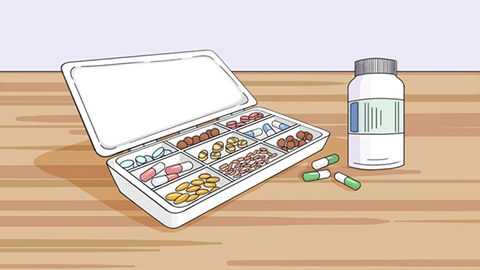
Norfloxacin is the first fluoroquinolone antibiotic—and the inaugural third-generation quinolone antibiotic—developed for clinical use. Because it is available only as an oral formulation, norfloxacin capsules represent the most widely used clinical preparation. Norfloxacin achieves significantly higher concentrations in the kidneys, prostate, and bile than in plasma; up to 53% of the administered dose may be excreted unchanged in feces.
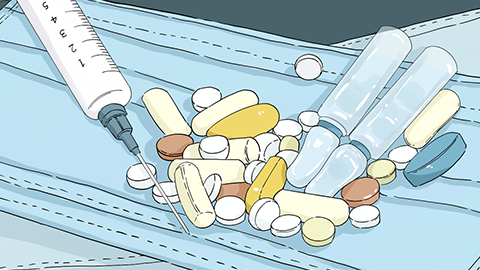
Seizures, confusion, hallucinations, and involuntary tremors are extremely rare adverse effects. Hematuria and arthralgia occur more frequently. Excessive intake may lead to crystalluria. Elderly patients may experience cardiac symptoms such as tachycardia. However, these adverse reactions are uncommon and rarely encountered in clinical practice. Should any of the above symptoms occur, patients must promptly seek medical advice. We hope this information proves helpful!






