


How long does an episiotomy wound from a vaginal delivery take to heal, and is suture removal necessary?

In daily life, childbirth can proceed either vaginally (spontaneous vaginal delivery) or with difficulty (dystocia). In cases of dystocia, cesarean delivery is required. Even in spontaneous vaginal delivery, an episiotomy—i.e., a surgical incision made in the perineum—may be performed, leaving a wound that requires suturing. Such wounds also necessitate medical intervention for healing. So, how long does it take for an episiotomy wound to heal completely without requiring suture removal?
How long does an episiotomy wound take to heal without suture removal?
Spontaneous vaginal delivery is generally considered the optimal choice for pregnant women, as cesarean delivery involves anesthesia and constitutes major surgery. Recovery after vaginal delivery is typically faster than after cesarean delivery. However, vaginal delivery does cause some degree of trauma to the cervix and vaginal tissues. If prenatal assessment indicates a high likelihood of significant tissue damage during delivery, the obstetrician may perform an episiotomy during labor to prevent uncontrolled tearing. The incision is then sutured postpartum, and the wound usually begins to heal gradually within approximately 4–5 days. Pain resulting from the episiotomy generally subsides within about 7 days. Signs such as redness, swelling, pain, or foul-smelling discharge from the wound may indicate infection, warranting prompt medical evaluation at the hospital to assess for possible inflammation. Proper wound care is essential during the postpartum healing period to prevent infection of the episiotomy site, which could adversely affect the mother’s health.
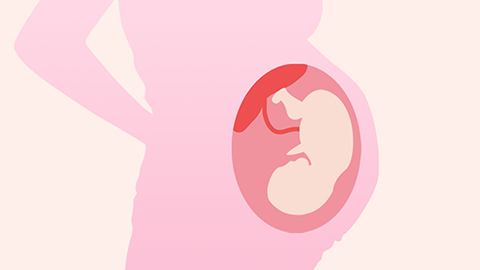
The advantages of vaginal delivery include minimal physical trauma to the mother, facilitating quicker postpartum recovery. Once delivery is complete, many associated physical discomforts begin to ease. During vaginal delivery, the baby passes through the birth canal, exerting pressure on the rectum and potentially causing vaginal laxity—or even spontaneous lacerations.
Expectant mothers should pay close attention to balanced nutrition and overall lifestyle before delivery to minimize potential adverse effects on themselves and their babies. After delivery, they must also prioritize their own physical recovery. We hope this information proves helpful to you!


