


What foods should be avoided in chronic urticaria?
May 16, 2022
Source: Cainiu Health

Dr. Liu Wan
Introduction
Upon diagnosis, urticaria should be treated following standardized protocols. Antihistamines and anti-allergic agents—such as chlorpheniramine, cetirizine, mizolastine, ranitidine, ketotifen, cyproheptadine, and diphenhydramine—are commonly used and may be selected based on clinical judgment. For acute urticaria, standard treatment duration is typically 7–10 days to ensure disease stabilization. In chronic urticaria, a structured tapering regimen is recommended to maintain disease control.
Urticaria is a relatively common condition that may cause skin itching. Dietary precautions—including food restrictions—are essential in its management. What foods should be avoided in chronic urticaria?
Food Restrictions for Chronic Urticaria
Regarding dietary restrictions for chronic urticaria, we recommend avoiding alcohol and seafood, as well as spicy or irritating foods. Protein-rich foods should also be consumed with caution—this includes animal proteins (e.g., meat) and plant-based proteins (e.g., nuts). In general, the diet should remain light, nutritious, and easily digestible. The above points summarize key dietary considerations for patients with urticaria.
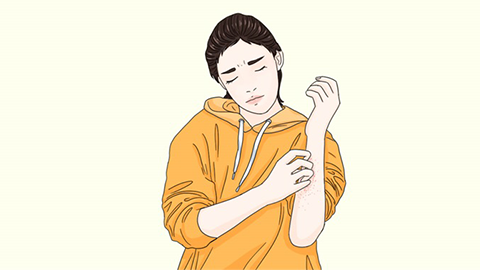
Upon diagnosis, urticaria should be treated systematically. Standard treatment typically involves antihistamines and anti-allergic medications, such as chlorpheniramine, loratadine, cetirizine, mizolastine, ranitidine, ketotifen, cyproheptadine, and diphenhydramine—all of which may be selected based on clinical judgment. For acute urticaria, treatment is generally continued for 7–10 days to ensure disease stabilization. In chronic urticaria, dosage reduction must follow a standardized tapering schedule to maintain stability. It is important to note that urticaria has numerous potential causes and triggers, which are often complex. Identifying and minimizing exposure to possible triggers can significantly reduce the risk of recurrence.
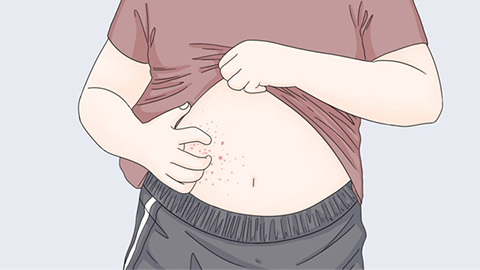
In addition to dietary restrictions, patients with urticaria should avoid scratching or otherwise irritating affected skin. As previously outlined, dietary adjustments are critical. Furthermore, patients should avoid excessive fatigue, sleep deprivation, and irregular lifestyles. Exposure to ultraviolet radiation, environmental dust mites, and newly introduced chemical substances—particularly those known to provoke allergic reactions—should also be minimized or ruled out where possible. We hope this information proves helpful to you!


