


Are intrahepatic bile duct stones serious?

Intrahepatic bile duct stones are a common and challenging biliary tract disease in China and constitute a major component of primary bile duct stone disease. So, how serious are intrahepatic bile duct stones?
How serious are intrahepatic bile duct stones?
The condition becomes significantly more serious if complications develop. Prolonged infection associated with intrahepatic bile duct stones may lead to liver abscesses and suppurative cholangitis. In severe cases, patients may experience fever, abdominal pain, jaundice, and even septic shock—conditions that can be life-threatening. Chronic intrahepatic bile duct stones may also cause biliary cirrhosis, ultimately progressing to liver failure, wherein the liver loses its normal functional capacity; in advanced cases, liver transplantation may become necessary.
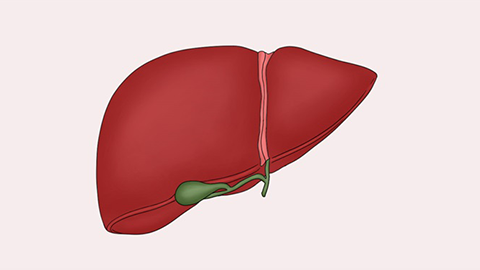
If intrahepatic bile duct stones coexist with cholangiocarcinoma over a prolonged period, survival time is adversely affected. A comprehensive treatment strategy—centered on surgical intervention—is required to prolong survival. Therefore, early treatment of intrahepatic bile duct stones is strongly recommended. When multiple complications occur concurrently, the disease becomes extremely severe.
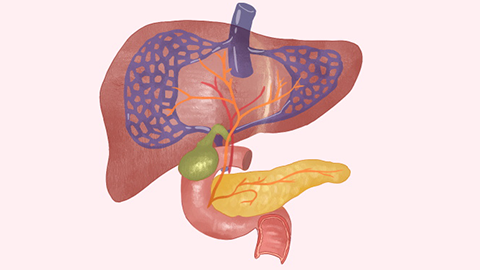
Patients are advised to avoid strenuous physical activity and to consume adequate amounts of animal protein, including poultry (chicken, duck), fish, meat, and eggs. Appropriately adjusting dietary structure helps prevent stone recurrence. In general, intrahepatic and extrahepatic bile duct stones are associated with both genetic predisposition and dietary habits. Long-term low-protein diets may result in malnutrition, thereby promoting stone formation or postoperative recurrence. We hope this information proves helpful!


