What Are the Signs of Incomplete Medical Abortion?
May 16, 2022
Source: Cainiu Health

Dr. Chen Zhe
Introduction
Symptoms of incomplete medical abortion include:
- Prolonged vaginal bleeding, typically lasting more than 7–10 days;
- Heavy vaginal bleeding, exceeding normal menstrual flow;
- Recurrent vaginal bleeding after initial cessation—indicating incomplete expulsion of products of conception.
If any of the above abnormal bleeding patterns occur following medical abortion, an immediate ultrasound examination is recommended to assess uterine cavity recovery.
Medical abortion—commonly referred to as “medabortion”—is a non-surgical method of terminating an early pregnancy using oral medications, typically mifepristone tablets combined with misoprostol.
What Are the Signs of an Incomplete Medical Abortion?
Symptoms of an incomplete medical abortion include: prolonged vaginal bleeding lasting more than 7–10 days; abnormally heavy vaginal bleeding exceeding normal menstrual flow; and recurrent vaginal bleeding after initial cessation—indicating incomplete expulsion of pregnancy tissue. If any of these abnormal bleeding patterns occur following medical abortion, an immediate ultrasound examination is recommended to assess uterine cavity recovery.
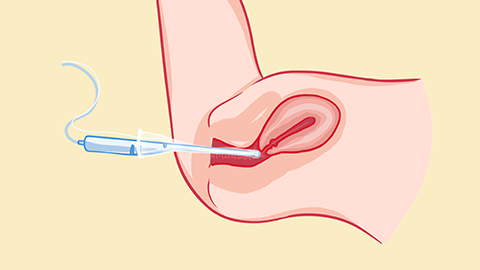
If only a small amount of retained tissue remains in the uterine cavity (less than 1 cm) and vaginal bleeding is minimal, oral uterotonic medication may be prescribed to enhance uterine contractions and facilitate expulsion of the residual tissue—sometimes this tissue passes naturally with the next menstrual flow. However, if retained tissue exceeds 1 cm in size or if vaginal bleeding surpasses typical menstrual volume, uterine curettage (dilation and curettage, D&C) is recommended. Failure to address significant retained tissue increases the risk of anemia.
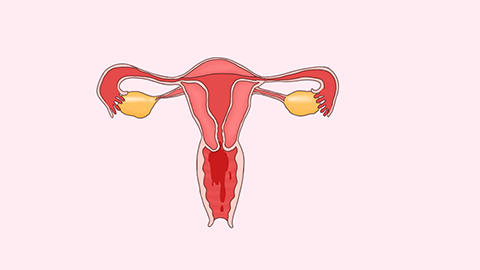
If any of the aforementioned abnormal bleeding patterns occur following medical abortion, an immediate ultrasound examination is advised to evaluate uterine cavity recovery. When only a small amount of retained tissue (<1 cm) remains and vaginal bleeding is minimal, oral uterotonic agents may be administered to promote uterine contraction and expulsion of residual tissue—occasionally, such tissue is expelled spontaneously during the subsequent menstrual period. Conversely, if retained tissue exceeds 1 cm or if vaginal bleeding exceeds normal menstrual volume, uterine curettage is recommended; otherwise, the risk of anemia rises. We hope this article has been helpful. Wishing you a joyful life and good health!