


What Is Rh-Positive Blood Type?

In addition to the A, B, and O blood types, there is also the Rh blood type—commonly referred to as “panda blood” in China. So, what exactly is Rh-positive blood?
What Is Rh-Positive Blood?
Rh-positive blood refers to a positive result in the Rh blood group system. Clinically, aside from the ABO blood group system, the Rh system is the most widely used. The Rh blood group system was first identified on the red blood cell membranes of rhesus monkeys (hence “Rh”). Individuals whose red blood cells express the D antigen are classified as Rh-positive; those lacking the D antigen are Rh-negative. The Rh blood group system holds critical importance in clinical transfusion medicine: Rh-negative patients can only receive Rh-negative blood, whereas Rh-positive individuals may safely receive either Rh-positive or Rh-negative blood. However, because Rh-negative individuals are relatively rare, Rh-negative patients often face significant challenges in securing compatible blood for transfusion.

Rh-positive status generally indicates the presence of the D antigen—a major Rh antigen—in the body. The Rh blood group is one of several red blood cell antigen systems; the Rh genes are located on the short arm of chromosome 1. In humans, the five most common Rh antigens are D, E, C, c, and e—with the D antigen exhibiting the strongest immunogenicity and highest prevalence. While other Rh antigens exist, they are difficult to detect clinically; thus, routine Rh typing focuses solely on the D antigen. If the D antigen is detected on red blood cells, the individual is classified as Rh-positive; if not detected, they are Rh-negative.
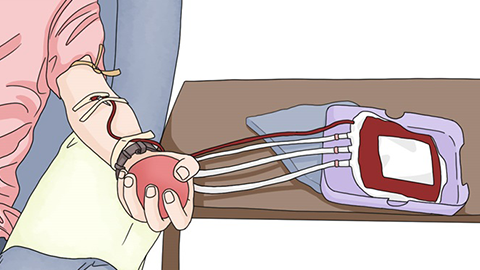
Generally, hemolysis rarely occurs when an Rh-positive recipient receives blood from an Rh-negative donor; however, same-blood-type transfusion remains the recommended standard practice. We hope this article has been helpful. Wishing you a joyful life and good health!


