


What Precautions Should Be Taken When Observing the Postpartum Confinement Period in Summer?

In daily life, some pregnant women are unsure about what precautions to take during the postpartum confinement period (‘sitting the month’) in summer. So, what precautions should be observed during summer confinement?
Precautions for Postpartum Confinement in Summer
Can new mothers bathe or wash their hair during summer confinement? According to scientific guidance, bathing in lukewarm water (28–30°C) is generally safe starting 3–7 days after delivery. Avoiding hair washing and bathing entirely for a full month during hot summer weather is not only unhygienic but may also lead to skin inflammation or heat rash (prickly heat); moreover, skipping baths increases the risk of infection at the perineal wound site. When bathing, use lukewarm water and thoroughly dry the body immediately afterward—do not allow moisture to remain on the skin, as this may cause chills. For mothers who delivered via cesarean section, bathing should be postponed until at least two weeks postpartum, depending on wound healing progress. Indoor temperature must be carefully regulated—not excessively high—to prevent heatstroke. Air conditioning may be used to maintain a comfortable room temperature, but ensure that the airflow does not blow directly onto the mother or newborn. Postpartum women are physically weakened and thus especially susceptible to catching colds from drafts; newborns are likewise highly sensitive, and direct exposure to cool air may trigger sneezing, nasal congestion, or other discomforts. Additionally, avoid over-bundling newborns, as this can easily lead to heat exhaustion or heatstroke.
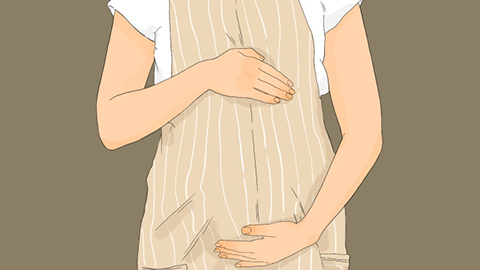
A balanced and nutritionally appropriate diet is essential during confinement. Women in the puerperium are physically depleted and should therefore prioritize easily digestible, high-protein foods rich in vitamins. Examples include crucian carp soup with red dates and coix seed, or pig trotter soup with soybeans, adzuki beans, and red dates. A well-rounded, nutritionally balanced diet—without dietary bias—is vital during this period. Moderately consuming fresh fruits helps ensure balanced nutritional composition of breast milk, benefiting both maternal and infant health.

We hope this article has been helpful to you!


