


Efficacy and Functions of Anemarrhena Rhizome and Phellodendron Bark

In Liu Wei Di Huang Wan (Rehmannia Six Formula), we observe that the formula contains Anemarrhena rhizome (Zhi Mu) and Phellodendron bark (Huang Bai). What, then, are the functions and therapeutic effects of Zhi Mu and Huang Bai?
Functions and Therapeutic Effects of Zhi Mu and Huang Bai
Zhi Mu has a bitter and sweet taste and is cold in nature. It clears heat and drains fire, nourishes yin and moistens dryness, and generates fluids to quench thirst. Clinically, it is used to treat high fever in warm diseases, internal heat due to yin deficiency, diabetes mellitus (xiao ke), tidal fever with night sweats due to deficient heat (bone-steaming fever), and constipation caused by intestinal dryness.
Huang Bai is bitter and cold, with strong actions to clear heat and dry dampness, drain fire and eliminate deficient heat, and detoxify to resolve sores. It is commonly used clinically for leukorrhea characterized by yellowish, turbid, and foul-smelling discharge due to damp-heat, or for dysuria—short, red, and painful urination—also resulting from damp-heat. Additionally, Huang Bai effectively treats symptoms of yin deficiency with hyperactive fire, such as tidal fever, night sweats, low back soreness, and seminal emission. It also demonstrates notable efficacy in treating carbuncles, sores, eczema, and pruritus associated with damp-heat.
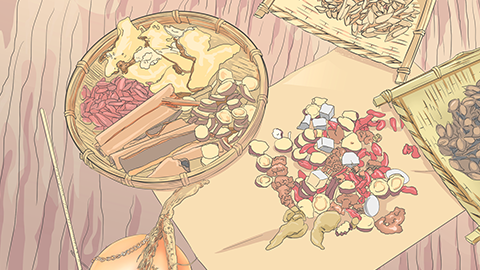
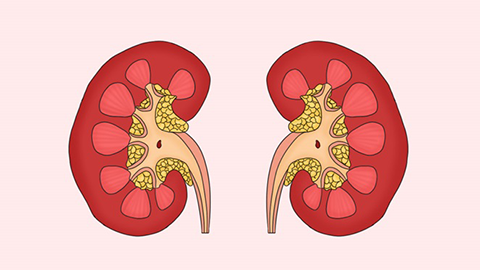
In summary, when appropriately combined with other herbs that nourish yin and warm yang, Zhi Mu and Huang Bai primarily function to nourish yin, subdue fire, and tonify the liver and kidneys. They replenish kidney yin, enrich essence, and nourish blood—thereby treating conditions such as alopecia, erectile dysfunction, and premature ejaculation arising from kidney yin deficiency. Among them, Huang Bai is intensely bitter and cold, with potent actions to clear heat, dry dampness, drain fire, and detoxify. It enters the Kidney and Bladder channels and excels particularly at clearing damp-heat from the lower jiao. Patients should use this combination only under the guidance of a qualified TCM practitioner.
In daily life, consume more fresh vegetables and fruits—such as apples and spinach—and avoid spicy foods like chili peppers and ginger. We hope this information is helpful. Wishing you robust health and a happy life!


