


What symptoms occur during female menopause?

Menopause is a unique physiological phase for women. Most women experience a constellation of menopausal symptoms, though the specific manifestations vary depending on individual differences and physical health status. So, what symptoms commonly occur during female menopause?
Symptoms Commonly Experienced During Female Menopause
Menopausal symptoms exhibit considerable inter-individual variability—ranging from mild to severe—and are primarily attributable to declining ovarian function and a marked reduction in estrogen secretion. These hormonal changes can rapidly impair vascular regulatory function, leading to vasomotor symptoms such as hot flashes, excessive sweating, and sleep disturbances (e.g., insomnia or frequent nocturnal awakenings). Emotional lability is also common, with many women experiencing heightened irritability, anxiety, and depressive symptoms. Additionally, genitourinary and cutaneous manifestations—including vaginal and mucosal dryness—as well as musculoskeletal complaints (e.g., muscle aches and joint pain), reduced appetite, and generalized discomfort may occur.
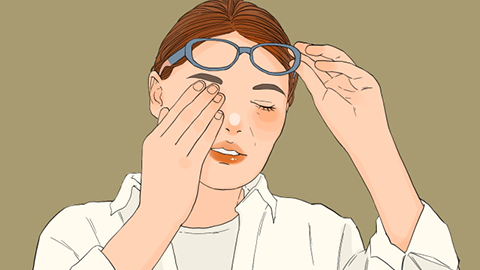
As menopause progresses, women often undergo noticeable changes in body composition—shifting from a “pear-shaped” to an “apple-shaped” figure—with increased abdominal adiposity. Concurrently, bone mineral density declines, elevating the risk of osteoporosis. Estrogen deficiency during menopause may also adversely affect metabolic homeostasis, contributing to hyperglycemia, dyslipidemia, hypertension, and an increased risk of cardiovascular and cerebrovascular diseases. Furthermore, prolonged estrogen deficiency accelerates bone loss and may impair cognitive function, including memory.
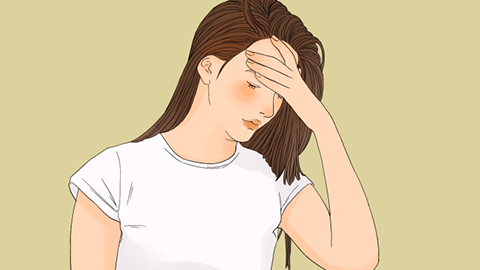
Research indicates that extended duration of menopause is associated with an elevated risk of developing Alzheimer’s disease and other forms of dementia. We hope this information has been helpful! Wishing you optimal health and a joyful life!


