


Which teeth do children lose?

Tooth replacement in children is a natural and essential stage of growth and development. Which teeth do children replace?
Which Teeth Do Children Replace?
Tooth replacement refers to the process by which primary (deciduous) teeth are replaced by permanent teeth. Specifically, the 20 primary teeth—beginning to erupt around 6 months of age and typically all present by approximately 2.5 years—will eventually be replaced. From the time primary teeth first emerge, maintaining good oral hygiene is crucial to reduce the risk of dental caries. Primary teeth serve several important functions: they enable chewing, maintain proper occlusion (bite relationship), and guide the eruption of permanent teeth. Therefore, parents must not neglect primary teeth simply because they will eventually be replaced. After teeth begin to erupt, children should visit a pediatric dentist every six months to one year for routine oral health examinations and timely intervention if any issues arise.
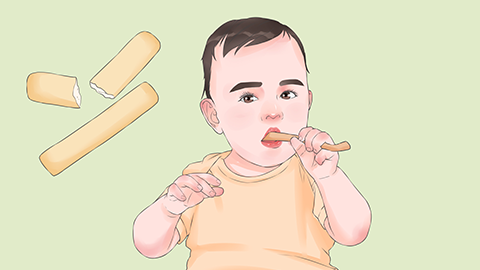
There are many reasons underlying tooth replacement in children. Typically, the process begins between ages 6 and 7 and concludes around age 12, during which all 20 primary teeth are replaced. However, timing varies significantly among individuals. If a child has not yet begun shedding primary teeth, the first consideration is whether the expected age range has been reached—some children naturally experience delayed eruption or exfoliation. Additionally, periapical inflammation of primary teeth is a common cause of delayed tooth replacement. Frequent periapical inflammation may lead to retention of primary teeth, thereby delaying the eruption of their permanent successors.
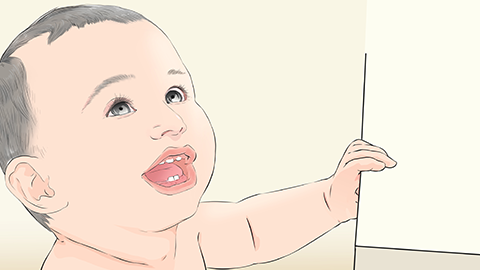
In daily life, if you notice difficulties or irregularities during your child’s tooth replacement process, promptly consult a dental professional for evaluation and treatment. We hope this information proves helpful!


