


Causes and Treatment of Subconjunctival Hemorrhage

Subconjunctival hemorrhage refers to bleeding caused by rupture of the microvascular plexus beneath the conjunctiva, with the extravasated blood accumulating and coagulating between the conjunctiva and the eyeball. What are the causes and treatments for subconjunctival hemorrhage?
Causes and Treatment of Subconjunctival Hemorrhage
Subconjunctival hemorrhage can result from various causes—for example, rubbing the eyes, which may rupture superficial blood vessels and cause bleeding; constipation with excessive straining during bowel movements; or severe coughing, which leads to a sudden increase in intrathoracic pressure—this is a common cause of subconjunctival hemorrhage. Initially, cold compresses may be applied to reduce local temperature, thereby constricting blood vessels and minimizing further bleeding. After three days—once rebleeding has been ruled out—warm compresses may be used to facilitate absorption of the hematoma.
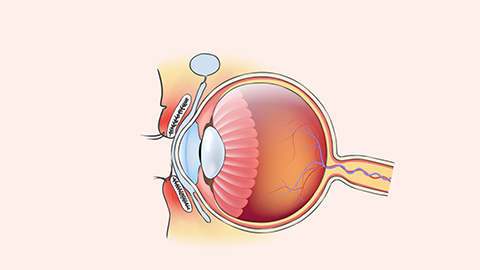
Moreover, topical eye drops cannot absorb this type of hemorrhage. However, patients with systemic conditions—such as diabetes or impaired coagulation—experiencing subconjunctival hemorrhage should seek medical evaluation at a hospital. Patients should avoid vigorous eye rubbing. If clinically appropriate, anticoagulant medications may be withheld for three days. In the absence of obvious ocular trauma, spontaneous rupture of the bulbar conjunctiva and subconjunctival hemorrhage may occur in elderly individuals with elevated blood pressure or those on long-term oral anticoagulant therapy.
Topical application of levofloxacin eye drops or other broad-spectrum antimicrobial eye drops is recommended for prophylactic treatment against infection. With the above management, subconjunctival hemorrhage typically resolves spontaneously within 5–7 days. We hope this information is helpful! Wishing you good health and happiness!


