


What is cervical cytology?

Cervical examination is an essential component of routine gynecological checkups for women. It serves as a screening tool and plays a vital role in preventing gynecological diseases. But what exactly is cervical cytology?
What Is Cervical Cytology?
In clinical practice, cervical cytology typically refers to the ThinPrep Cytologic Test (TCT) and human papillomavirus (HPV) testing. By examining exfoliated cervical cells, these tests can detect cervical abnormalities or HPV infection of the cervical epithelium. Annual cervical cancer screening is recommended to identify precancerous or early cancerous changes. Early detection allows timely clinical intervention, thereby helping prevent the development of cervical cancer. To date, cervical cancer is the only malignancy with a well-established etiology—namely, persistent infection with high-risk HPV types.

Different diagnostic approaches are required depending on the type of cervical lesion. For cervical cancer and its precancerous lesions, standard evaluations include cervical cytology (TCT), HPV DNA testing, colposcopy, cervical biopsy, and cervical conization (either loop electrosurgical excision procedure [LEEP] or cold-knife conization). Histopathological examination is performed on all tissue specimens obtained. In cases of acute cervicitis, cervical secretions are collected for microscopic examination, bacterial culture, and antibiotic susceptibility testing.
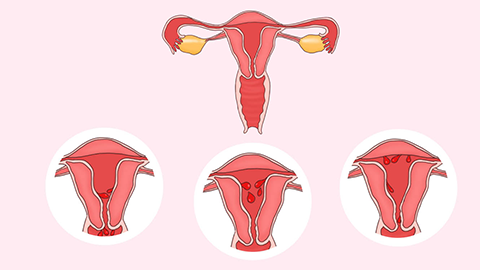
It is recommended that women undergo cervical cytology screening annually at a healthcare facility. If abnormalities are detected, further diagnostic evaluation—including colposcopy and biopsy—should be performed promptly. We hope this information is helpful to you.


