


Why Do Infants Sweat Excessively While Sleeping?

Many parents notice that their babies sweat profusely during sleep, leaving their back clothing damp, and consequently worry about potential health issues. So, what nutrient deficiency might cause excessive sweating in sleeping infants?
What nutrient deficiency causes excessive sweating in sleeping infants?
Excessive sweating may occur in infants with vitamin D deficiency rickets; however, this condition is most commonly observed in infants aged 3–4 months. Additional signs may include枕秃 (occipital alopecia), night terrors, nocturnal crying, and an enlarged anterior fontanelle. Supplementation with vitamin D and calcium—alongside promotion of exclusive breastfeeding—can gradually improve symptoms. Nevertheless, excessive sweating in infants is not always attributable to vitamin D deficiency or other trace element deficiencies. It may simply reflect normal physiology, as infants have a relatively high metabolic rate and are naturally active, leading to increased perspiration. Moreover, certain endocrine disorders—such as hyperthyroidism—can also cause hyperhidrosis; however, these conditions are typically accompanied by irritability and mood instability, warranting prompt medical evaluation.
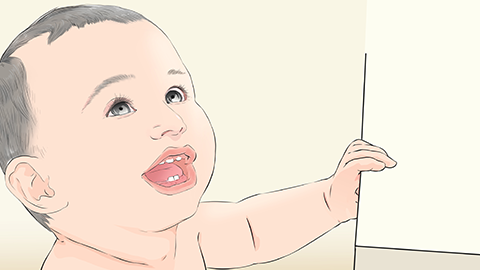
In fact, some infants do sweat during sleep—a sign that their physical development is progressing normally and that no underlying illness is present. Physiological sweating usually occurs on the head and neck and tends to happen during the first half of the night after falling asleep. After入睡, sweating gradually diminishes and resolves.
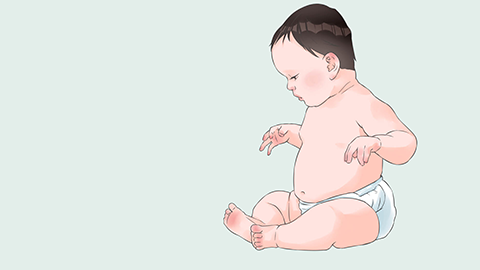
If excessive sweating during sleep significantly affects your child’s growth and development, timely consultation with a healthcare provider is recommended. We hope this information has been helpful.


