


What Causes Hypoechoic Thyroid Nodules?

For many people, “hypoechoic thyroid nodule” is an unfamiliar term—yet the incidence of this condition has become alarmingly high. Therefore, once diagnosed with a hypoechoic thyroid nodule, patients should seek standardized medical treatment as early as possible to prevent progression or spread of the lesion. Early intervention is strongly recommended. But what causes hypoechoic thyroid nodules?
What Causes Hypoechoic Thyroid Nodules?
Hypoechoic thyroid nodules are commonly associated with underlying thyroid disease. Such nodules are more likely to be malignant compared to other types. Patients are advised to consult an endocrinologist and undergo ultrasound-guided fine-needle aspiration (FNA) biopsy—a necessary diagnostic step. During thyroid color Doppler ultrasound, a fine needle can be used to aspirate cells directly from the hypoechoic nodule for pathological examination. If malignant cells are identified, surgical excision of the nodule should be performed promptly. Indeed, a hypoechoic appearance may itself be one indicator of malignancy in thyroid nodules.
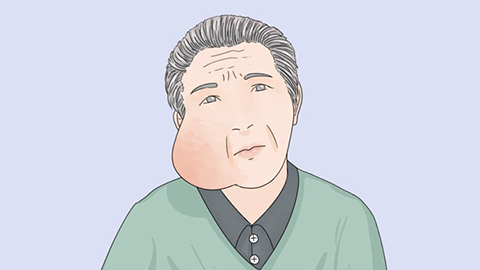
A hypoechoic thyroid nodule indicates a non-calcified thyroid nodule—that is, its echogenicity on ultrasound is significantly lower than that of the surrounding normal thyroid tissue. Upon detecting such a finding, physicians carefully assess multiple features—including size, margins, vascularity (blood flow), and presence of calcifications—to determine the nodule’s nature, establish a definitive diagnosis, and formulate an appropriate treatment plan.

Patients are advised to prioritize rest in daily life, avoid strenuous physical labor, abstain from alcohol and tobacco, maintain a positive mental state, adhere to regular sleep patterns, and refrain from prolonged late-night activity—ensuring adequate, high-quality sleep. Routine medical check-ups at a hospital are also essential. We hope this information proves helpful. Wishing you optimal health and happiness!


