


What Causes Newborns to Spit Up Milk?

Newborn infants have underdeveloped immune systems, making them highly susceptible to various illnesses and adverse symptoms. One common issue is spitting up milk (also referred to as “spitting up” or “possetting”). So, what causes newborns to spit up milk?
What Causes Newborns to Spit Up Milk?
Physiological and anatomical characteristics of the neonatal period predispose infants to milk regurgitation. Neonates possess a highly sensitive digestive system; inflammation or infection affecting any organ system—as well as fluctuations in ambient temperature—can impair digestive function and trigger vomiting. Anatomically, the neonatal stomach lies relatively horizontally, its smooth muscle is incompletely developed, and the lower esophageal (cardiac) sphincter remains immature with poor contractile control. In contrast, the pyloric sphincter tends to be relatively tight, resulting in frequent gastroesophageal reflux (GER).
Improper feeding techniques can further exacerbate this issue. For example, if the infant fails to latch properly—i.e., does not take both the nipple and areola into the mouth—or if bottle-feeding is performed incorrectly (e.g., insufficient milk filling the nipple), the infant may swallow excessive air while feeding. Failure to hold the baby upright and gently pat the back after feeding also increases the likelihood of spitting up.
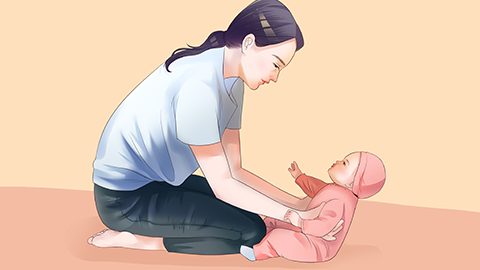
The lower esophageal sphincter (LES) in newborns exhibits functional immaturity, leading to involuntary reflux of gastric contents into the esophagus. This phenomenon is primarily attributable to the LES’s short length and low resting pressure. Gastroesophageal reflux is extremely common among newborns—especially preterm infants—and represents the most frequent cause of vomiting in this age group. It typically manifests within the first week of life, with mild cases presenting as simple spitting up or effortless regurgitation of milk.
To minimize reflux, adopt appropriate feeding practices: ensure correct positioning during feeding; for bottle-fed infants, avoid air ingestion by ensuring the nipple is fully filled with milk; after feeding, hold the infant upright and gently pat the back to encourage burping; when placing the infant down to rest, elevate the head of the crib or bassinet by 30–60 degrees and position the infant supine.
Parents and caregivers should pay close attention to protecting newborns and ensuring adequate nutritional support during the first year of life. Illnesses experienced early in life may adversely affect long-term growth and development. We hope this information proves helpful to you!


