


What are the side effects of Siberian ginseng?
May 17, 2022
Source: Cainiu Health

Dr. He Haochen
Introduction
Taking Acanthopanax senticosus tablets at the conventional dosage typically does not cause adverse effects. However, individuals with allergic constitutions or those who take excessive doses may experience allergic reactions, leading to symptoms such as insomnia, depression, and anxiety. Patients with pre-existing cardiac conditions or rheumatic diseases may develop precordial pain upon taking Acanthopanax senticosus tablets. A small number of patients may experience transient, mild diarrhea after taking these tablets; this symptom generally resolves upon discontinuation of the medication.
Acanthopanax senticosus (Siberian ginseng) is a traditional Chinese herbal medicine known for its sedative, anti-fatigue, and immunomodulatory effects. What are the side effects of Acanthopanax senticosus?
What Are the Side Effects of Acanthopanax senticosus?
When taken at standard therapeutic doses, Acanthopanax senticosus tablets generally do not cause adverse effects. However, individuals with allergic constitutions or those who take excessive doses may experience allergic reactions, manifesting as insomnia, depression, anxiety, and other symptoms. Patients with pre-existing cardiac conditions or rheumatoid arthritis may develop precordial pain upon taking Acanthopanax senticosus tablets. A small number of patients may experience transient, mild diarrhea after administration; this symptom typically resolves spontaneously upon discontinuation of the medication and usually requires no specific treatment. Prolonged or high-dose use may impair gastrointestinal function, leading to abdominal distension, nausea, and loss of appetite. Individuals with spleen- and stomach-deficiency should avoid using this herb.

Acanthopanax senticosus is a traditional Chinese medicinal herb with sedative, anti-fatigue, and immune-enhancing properties. When used appropriately for indicated conditions, it rarely causes adverse reactions. Nevertheless, prolonged use, overdose, or hypersensitivity may trigger neuropsychiatric symptoms such as insomnia, anxiety, and depression. Additionally, patients with coronary heart disease or rheumatic diseases may experience clinical manifestations including precordial pain, headache, palpitations, elevated blood pressure, localized skin rashes, dyspnea, and dizziness.
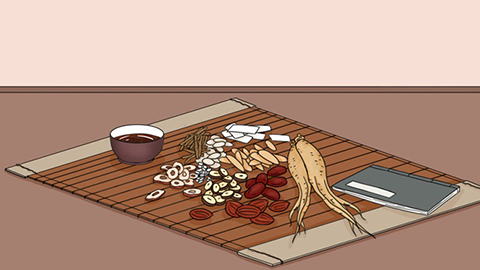
Avoid long-term or high-dose use of Acanthopanax senticosus. This herb may adversely affect the digestive system, impairing gastrointestinal motility and function, thereby causing anorexia, poor appetite, and indigestion; in severe cases, it may even induce diarrhea. Use with caution in individuals with spleen- and stomach-deficiency. We hope this article has been helpful to you. Wishing you a joyful life and good health!





