Does a positive liver fluke antibody test necessarily indicate liver fluke infection?
May 17, 2022
Source: Cainiu Health

Dr. Jiang Weimin
Introduction
A positive liver fluke antibody test indicates infection with the liver fluke, which generally requires prompt treatment; otherwise, liver function may be impaired. Clinically, treatment typically involves administration of albendazole and praziquantel. Following liver fluke infection, additional symptoms may occur, necessitating symptomatic management. Liver fluke infection refers to clonorchiasis.
A physical examination was performed, and all other test results were largely within normal limits—except for one: a positive result for liver fluke antibody. Does a positive liver fluke antibody test necessarily indicate an active liver fluke infection?
Does a positive liver fluke antibody test always mean liver fluke infection?
A positive liver fluke antibody test indicates prior or current infection with the liver fluke (Clonorchis sinensis), commonly known as clonorchiasis. Prompt treatment is generally recommended to prevent potential liver damage. Clinically, treatment typically involves antiparasitic medications such as albendazole or praziquantel. In addition to antiparasitic therapy, symptomatic management may also be required, as liver fluke infection can cause symptoms including fatigue, dull upper abdominal pain, diarrhea, and hepatomegaly. Severe cases may progress to complications such as cholangitis, cholelithiasis, or even cirrhosis.

In daily life, avoid consuming raw or undercooked foods—especially raw freshwater fish or shrimp—and never drink untreated water. Maintain good personal hygiene, including thorough handwashing before meals and after using the restroom.
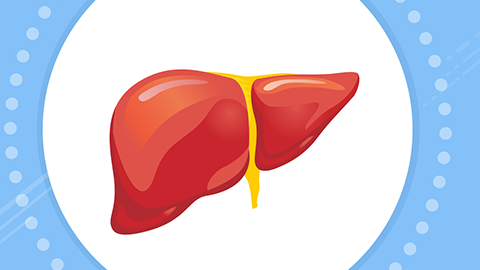
Clonorchiasis is a parasitic disease caused by Clonorchis sinensis, a trematode that resides in the intrahepatic bile ducts. It is relatively common in endemic regions. A positive liver fluke antibody test suggests possible infection and warrants antiparasitic (anthelmintic) treatment. Without timely intervention, chronic infection may lead to serious complications, including cirrhosis. We recommend initiating comprehensive, systematic anthelmintic therapy promptly—complete recovery is highly achievable with appropriate treatment. We hope this information is helpful to you.