


What Causes a Persistent Urge to Cry?

In daily life, many people experience unexplained low mood and a persistent urge to cry. Over time, this can impose a significant psychological burden and even adversely affect one’s personal life and work performance. Therefore, timely medical intervention is essential when such symptoms arise. So, what causes an overwhelming, recurrent desire to cry?
What Causes a Persistent Urge to Cry?
Depression may be present. As a common mental health disorder, depression is primarily characterized by persistent low mood, sadness, and a consistently gloomy demeanor. Affected individuals often develop pessimistic, negative, and hopeless outlooks toward the future. They may easily become dissatisfied and tearful—crying frequently or even daily. Personality factors may also contribute—for instance, pronounced feelings of inferiority and heightened sensitivity or suspicion, leading to tearfulness in response to trivial matters or simple remarks. For example, individuals may misinterpret others’ actions or words as personal criticism, feel deeply inadequate, struggle with interpersonal communication, suppress their dissatisfaction and stress internally, and consequently cry readily.

Psychological distress may also stem from setbacks or social stressors—such as academic pressure, financial strain, poor family relationships, or marital conflict. These challenges commonly trigger crying, as setbacks often elicit defensive responses including aggression, rationalization, resentment, and tears. Crying, in this context, serves as an attempt to express and release suppressed negative emotions.
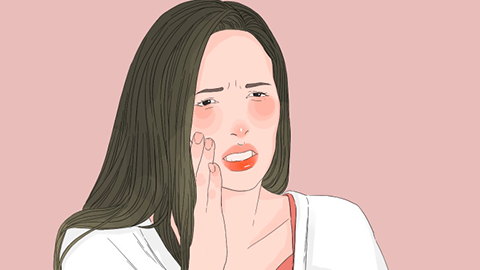
In daily life, maintain regular communication with family and friends—avoid isolating yourself with negative emotions. Engage more frequently in outdoor activities and spend time in nature. We hope this information proves helpful to you!


