


What are the anti-cancer drugs?

Cancer is a malignant tumor originating from epithelial tissue and represents the most common type of malignant tumor. Among all diseases, cancer is arguably the leading cause of death—posing serious threats to human health and, in severe cases, endangering life itself. So, what drugs are used to combat cancer?
What Are the Common Anti-Cancer Drugs?
Cancer is an umbrella term for malignant tumors. The primary classes of anti-cancer drugs include the following:
1. Conventional cytotoxic agents—mainly chemotherapy drugs—such as cisplatin, carboplatin, paclitaxel, fluorouracil (5-FU), and mitomycin.
2. Targeted therapies, available both orally and intravenously. Oral agents include icotinib, erlotinib, gefitinib, and ambroxol; intravenous agents include bevacizumab, cetuximab, and trastuzumab.
3. Immune checkpoint inhibitors, such as pembrolizumab and nivolumab.
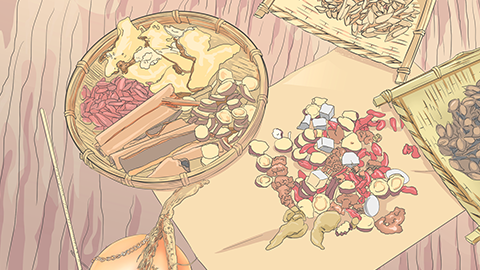
4. Certain traditional Chinese medicine (TCM) preparations also exhibit anti-cancer activity, including Brucea javanica oil emulsion and Cinobufacini.
In daily life, many vegetables and fruits possess anti-cancer properties. For example, eggplant contains abundant solanine and cucurbitacins and is commonly used in gastric cancer management. Radishes also demonstrate anti-cancer effects: they contain multiple enzymes that neutralize nitrosamines, enhance immune function, and boost macrophage activity—thereby contributing to cancer prevention. Kiwifruit exhibits potent anti-cancer activity due to its high vitamin C content; regular consumption helps strengthen the body’s immunity. Additionally, sweet potatoes, pumpkins, kelp, and bitter melon also show notable anti-cancer potential.
Given cancer’s profound health risks, it must be taken seriously—and early detection and prompt treatment are critical. We hope this response has been helpful to you. Wishing you good health and a joyful life!


