


Will a positive liver fluke antibody test result lead to transmission?

A positive result on the liver fluke (Clonorchis sinensis) antibody test indicates infection with this parasitic worm. Does a positive liver fluke antibody test mean the condition is contagious?
Is a positive liver fluke antibody test contagious?
Whether a positive liver fluke antibody test signifies an active infection depends on whether live Clonorchis sinensis worms remain in the patient’s body. A prior infection with Clonorchis sinensis does not necessarily indicate current infectivity; the patient must be fully treated or have consecutive stool examinations confirming the absence of Clonorchis sinensis eggs to be considered non-infectious. If live Clonorchis sinensis worms are still present, the patient remains infectious. Transmission typically occurs via contaminated water sources or through contact with feces from infected individuals.
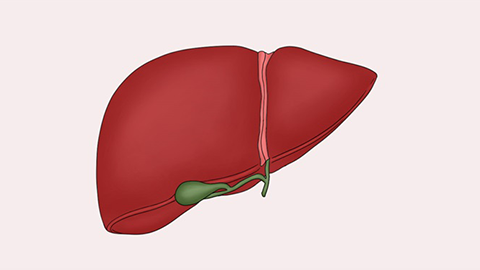
The liver fluke (Clonorchis sinensis) is a parasite that resides in the human biliary tract. Human infection occurs exclusively by ingesting raw or undercooked freshwater fish or shrimp containing viable metacercariae of Clonorchis sinensis. Importantly, Clonorchis sinensis does not transmit directly from person to person. Although clonorchiasis is classified as an infectious disease, its life cycle is complex, involving definitive hosts (e.g., humans, cats, dogs), two intermediate hosts—the first being freshwater snails and the second being freshwater fish or shrimp. Only ingestion of live metacercariae in contaminated freshwater fish or shrimp leads to infection; transmission does not occur via any other route.

Patients diagnosed with clonorchiasis should seek prompt medical treatment to prevent complications. Wishing you good health and happiness!


