


How to test for intestinal pathogenic bacteria

Currently, intestinal microbiota testing remains a relatively challenging procedure, as the majority of gut microbes are anaerobic bacteria. So, how are enteric pathogenic bacteria detected?
How Are Enteric Pathogenic Bacteria Detected?
Methodology for Intestinal Microbiota Testing: In clinical practice, stool culture—unlike routine stool analysis—is performed. A fresh stool specimen is collected and inoculated onto various types of culture media. The specimens are then incubated at a constant temperature of 37°C for 24 hours to allow bacterial growth. Colonies growing on the culture media are subsequently observed and analyzed, including total bacterial count, identification of bacterial species, and the relative proportions of Gram-positive bacteria, Gram-negative bacteria, and cocci.
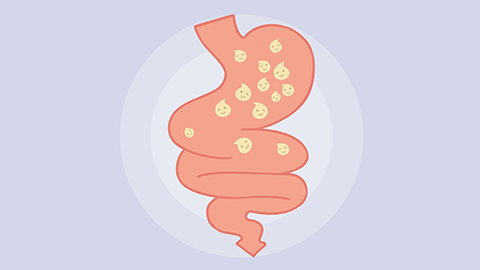
Alterations in either bacterial species composition or abundance may indicate intestinal dysbiosis, which is clinically classified into mild, moderate, and severe degrees. Mild dysbiosis often resolves spontaneously upon removal of the underlying causative factor, with symptom resolution typically requiring no specific treatment. Moderate dysbiosis is frequently associated with chronic intestinal disorders. Severe dysbiosis generally necessitates antimicrobial therapy and/or pharmacological intervention.
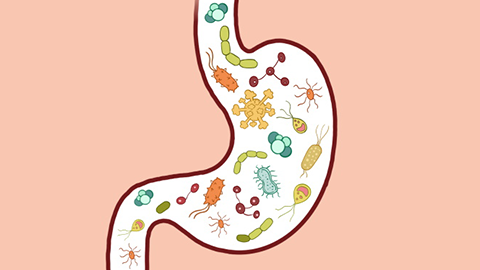
Under normal physiological conditions, the composition of bacterial species within the human intestine is relatively stable, and the proportional balance among different bacterial groups is also maintained. These bacterial populations interact synergistically to sustain a healthy intestinal microbiota and ensure optimal gastrointestinal function. When testing reveals an imbalance in either bacterial species diversity or abundance, probiotic supplementation may be recommended to help restore microbial equilibrium.We hope this information is helpful to you. Wishing you good health and happiness!


