


What Causes Subconjunctival Hemorrhage?

With the advancement of technology and society, and the widespread use of electronic devices, ocular problems are becoming increasingly common. Consequently, more and more people are beginning to pay attention to eye health. One relatively common ocular phenomenon is subconjunctival hemorrhage—what, then, causes this condition?
What Causes Subconjunctival Hemorrhage?
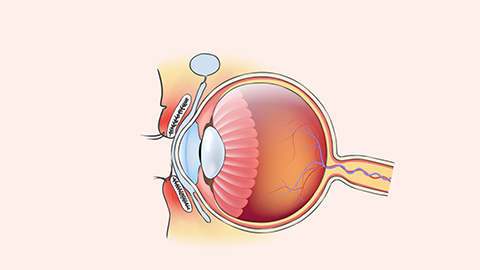
Subconjunctival hemorrhage in patients is generally attributed to rupture of blood vessels beneath the bulbar conjunctiva or increased vascular permeability. The affected area has clearly defined borders and typically occurs unilaterally, affecting individuals of any age. It may be associated with elevated intra-abdominal pressure, trauma, or underlying disease. For instance, young adults may experience coughing or vomiting after alcohol consumption, leading to a transient rise in intra-abdominal pressure.
In older adults, conditions such as hypertension and arteriosclerosis—or severe coughing due to pulmonary infection—may precipitate subconjunctival hemorrhage. From a traumatic perspective, direct impact to the eye or compression of the head can also cause subconjunctival bleeding. Certain systemic diseases may likewise contribute: conjunctival inflammation (e.g., viral conjunctivitis) and hematologic disorders, for example, can also lead to subconjunctival hemorrhage.

In fact, most cases of subconjunctival hemorrhage occur without an identifiable cause. Typically, they resolve spontaneously within 7–12 days. However, if episodes recur frequently, further evaluation is warranted to rule out underlying systemic disease, and comprehensive medical assessment may be necessary. We hope this article has been helpful to you.


