


What are the symptoms of gastrointestinal polyps?

In daily life, it is common to experience physical discomfort. When this occurs, remain calm—do not panic. What symptoms might gastrointestinal polyps cause?
What Symptoms Do Gastrointestinal Polyps Cause?
Most patients with gastrointestinal polyps are asymptomatic, or may present only with mild clinical symptoms such as abdominal distension, acid reflux, indigestion, or changes in bowel habits. Some patients with digestive tract polyps may develop gastrointestinal bleeding. However, the majority of polyps are discovered incidentally during routine gastroscopy or colonoscopy. Whether gastric or intestinal, polyps should be selectively removed via endoscopic electrocautery polypectomy. Prolonged retention of polyps increases their risk of malignant transformation and progression to gastrointestinal cancer.
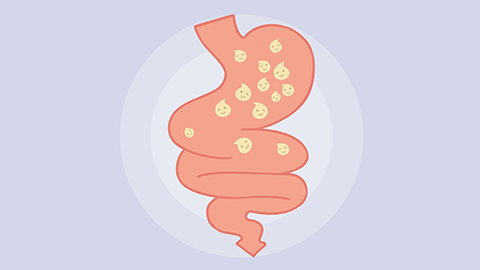
Therefore, patients must strictly follow medical advice and undergo minimally invasive surgical treatment at an appropriate time. After polyp removal, regular follow-up gastrointestinal endoscopy remains essential to monitor for recurrence; repeat endoscopic polypectomy may be required if necessary. Common types of gastrointestinal polyps—including adenomatous and hyperplastic polyps—are typically asymptomatic. However, when polyps grow large enough, they may cause intestinal obstruction and produce corresponding clinical symptoms; such cases are usually diagnosed definitively via endoscopy.
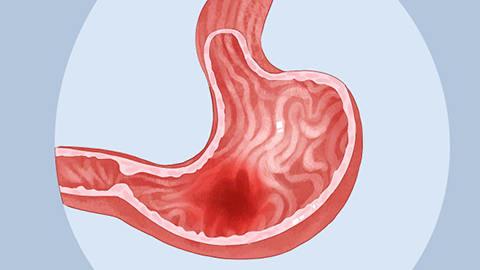
Additionally, gastrointestinal polyps may manifest other nonspecific symptoms. If you experience any physical discomfort, promptly consult a healthcare provider for evaluation and diagnosis, followed by appropriate management. We hope this information has been helpful. Wishing you good health and a joyful life!


