What Is the Difference Between Calamine Powder and Talcum Powder?
May 17, 2022
Source: Cainiu Health

Dr. Liu Wan
Introduction
Eczema can be classified into three types: acute, subacute, and chronic. Acute eczema commonly presents with numerous closely spaced, tiny papules or small vesicles, with an underlying erythematous base. Due to intense pruritus, patients frequently scratch the affected area, leading to localized skin erosion, exudation, and oozing.
In daily life—especially during scorching summer days—many people are prone to developing heat rash (miliaria). Some households keep heat-rash powder on hand, while others frequently use talcum powder for infants. Consequently, some patients wonder whether talcum powder can be used to treat heat rash. So, what is the difference between heat-rash powder and talcum powder?
What Is the Difference Between Heat-Rash Powder and Talcum Powder?
Both heat-rash powder and talcum powder are powdered formulations, but their ingredients differ. Heat-rash powder typically contains menthol and camphor, whereas talcum powder does not. The primary function of talcum powder is localized drying, mainly intended for children who sweat excessively. In contrast, heat-rash powder is designed both to prevent and to alleviate heat rash caused by hot, humid conditions.
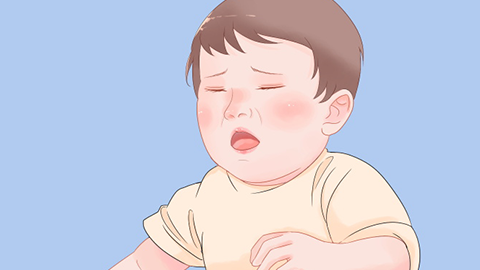
Eczema can be classified into three types: acute, subacute, and chronic. Acute eczema commonly presents as numerous small, densely clustered papules or tiny vesicles, with an erythematous base. Due to intense pruritus, patients often scratch the affected area, resulting in superficial erosions, exudation, or oozing. Typically, the borders of acute eczema lesions are ill-defined, as the condition remains active and progressive. Moreover, because acute eczema involves exudation and oozing, secondary infection is common; severe infection may manifest as pustules or yellowish crusts.
Choosing between heat-rash powder and talcum powder is critically important. Talcum powder is appropriate for drying damp skin—however, the skin should first be gently wiped clean before application. Conversely, if heat rash has already developed in a specific area, heat-rash powder should be used to relieve pain, reduce itching, and exert antimicrobial effects. We hope this article has been helpful to you!