


What Are the Risks of Elevated Liver Function Test Results?

Some individuals develop impaired liver function due to unhealthy lifestyle habits and poor dietary choices. What are the potential health risks associated with elevated liver function test results?
Health Risks Associated with Elevated Liver Function Tests
Elevated liver enzyme levels often indicate liver damage, which can impair critical physiological processes—including metabolism of body tissues and synthesis of clotting factors. The liver is a vital organ responsible for regulating metabolic functions and synthesizing essential substances such as clotting factors and vitamins. Abnormal blood test results indicating elevated liver enzymes suggest that hepatocytes (liver cells) have already sustained injury.
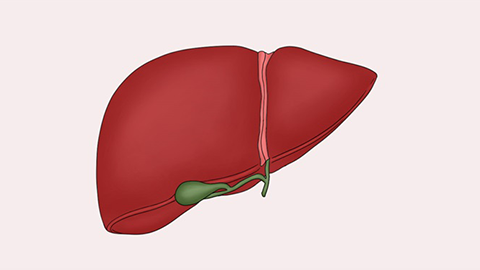
Patients may present with symptoms including sallow or dull complexion, loss of appetite, digestive disturbances, and aversion to fatty foods. Some individuals with higher tolerance may remain asymptomatic, yet subclinical liver damage still poses risks to overall health. Prompt medical evaluation is essential when liver function abnormalities are detected; under a physician’s guidance, the underlying cause should be identified and treated promptly to prevent disease progression. Elevated liver function test values—particularly increased transaminase levels—suggest hepatocellular injury and may indicate viral hepatitis (e.g., hepatitis B or C). Such conditions can adversely affect general well-being, manifesting as fatigue, reduced energy levels, and diminished appetite.

Elevated liver enzyme levels typically reflect hepatocyte damage. To support liver recovery, patients should abstain from alcohol and tobacco, avoid hepatotoxic medications, and choose medications with minimal hepatic burden. We hope this information is helpful to you.


