


Can facial skin allergies heal on their own?

Allergic skin conditions are extremely common. Once the skin becomes allergic, it causes significant distress for many patients. In daily life, skin allergies can arise from numerous factors. So, can facial skin allergies resolve spontaneously?
Can Facial Skin Allergies Resolve Spontaneously?
Mild facial allergies may resolve spontaneously; however, more severe cases require prompt and active treatment. Facial allergies can be triggered by various factors—including commonly used cosmetics and facial oils—as well as airborne allergens such as pollen, dust, fungal spores, and house dust mites. These triggers often lead to localized symptoms including erythema (redness), papules, and pruritus (itching). If the allergic reaction is mild, symptoms may subside spontaneously once the allergen is removed, and the facial skin can gradually return to normal through its natural renewal process.
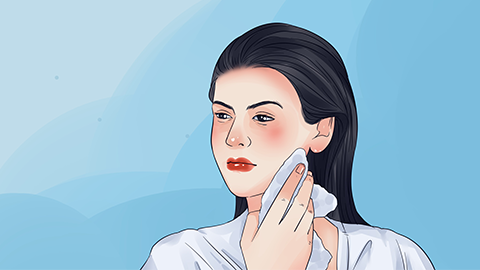
In contrast, when allergic symptoms are relatively severe—such as the appearance of prominent papules, vesicles, erosion, or exudation—spontaneous resolution becomes unlikely. Moreover, skin breakdown may predispose the area to secondary bacterial infection. Even if spontaneous recovery eventually occurs, it may leave noticeable pigmentary abnormalities—for instance, post-inflammatory hyperpigmentation—which can adversely affect appearance. Therefore, for facial allergies, early anti-allergic treatment is strongly recommended to accelerate healing and minimize complications and sequelae.

Skin allergy frequently causes itching, prompting habitual scratching. Chronic, repeated scratching may result in excoriations, blood crusts, fissures, and hyperpigmentation. In severe cases, lichenification or eczematous changes may develop, leading to thickened, roughened skin. Some patients may even develop secondary skin infections due to scratching. Thus, patients should consciously avoid scratching as much as possible. We hope this information has been helpful to you!


