


Differences Between Drool Rash and Eczema
May 18, 2022
Source: Cainiu Health

Dr. Liu Wan
Introduction
Clinically, the diagnosis of “saliva rash” commonly refers to perioral dermatitis. Perioral dermatitis and eczema are two distinct conditions, differentiated primarily by their clinical manifestations. Perioral dermatitis predominantly affects the skin surrounding the mouth, presenting as well-demarcated erythematous plaques, scaling, and papules, often accompanied by mild pruritus and pain. In contrast, eczematous lesions typically occur symmetrically and exhibit morphological variability.
Babies aged 3–4 months often experience increased salivary gland secretion, yet their small oral cavity limits timely swallowing—leading to drooling. This can cause “drool rash” (sialorrhea-related dermatitis) around the chin and neck. So, what are the differences between drool rash and eczema?
Differences Between Drool Rash and Eczema
Clinically, drool rash is commonly diagnosed as perioral dermatitis. Perioral dermatitis and eczema are two distinct dermatological conditions, differentiated primarily by their clinical presentations. Perioral dermatitis predominantly affects the skin surrounding the mouth, presenting with well-demarcated erythematous plaques, scaling, and papules—often accompanied by mild pruritus or pain. In contrast, eczema typically manifests bilaterally and exhibits polymorphic lesions, including erythema, papules, papulovesicles, and vesicles; in more severe cases, it may progress to erosion and exudation. Chronic eczema features lichenification—characterized by thickened, rough, and scaly skin—and is usually associated with intense pruritus. Eczema is an allergic inflammatory skin disorder with complex etiology; affected infants often have an underlying atopic predisposition.
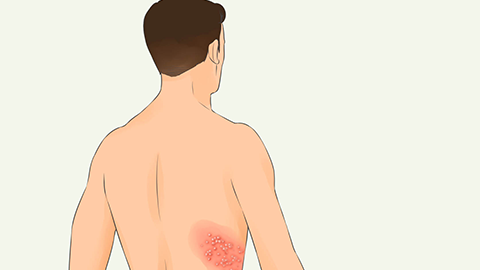
The symptoms of drool rash closely resemble those of typical eczema: infants’ skin may develop red rashes, pruritus, dryness, or even swelling, sometimes with small vesicles. Scratching may rupture these lesions, causing serous exudate and increasing susceptibility to bacterial infection.
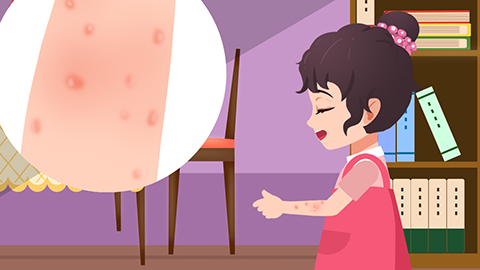
Treatment may follow standard eczema management principles. Non-steroidal astringent agents—such as infant-formulated zinc oxide ointment—are generally recommended to control local exudation and alleviate symptoms. We hope this article has been helpful. Wishing you joy and good health!





