


Can eczema be transmitted to others?
May 18, 2022
Source: Cainiu Health

Dr. Liu Wan
Introduction
Eczema is non-contagious and cannot be transmitted to others; therefore, individuals with eczema should not be discriminated against in daily life. Eczema is a common inflammatory skin condition triggered by multiple factors. During its course, patients typically develop numerous skin rashes accompanied by intense itching and discomfort. It is strongly recommended that patients seek medical treatment at a hospital rather than self-medicating indiscriminately. Many people hold misconceptions about eczema—erroneously believing it to be contagious.
Eczema is a particularly common inflammatory skin condition affecting the epidermis and superficial dermis, triggered by multiple factors—and it can occur in both adults and children. During its course, eczema often manifests with numerous skin rashes and is highly prone to recurrence. So, is eczema contagious?
Is eczema contagious?
Eczema is not contagious and cannot be transmitted to others; therefore, individuals with eczema should never be stigmatized. Eczema is a common inflammatory skin disorder caused by various factors. During its active phase, patients typically develop numerous rashes accompanied by intense itching and discomfort. It is strongly recommended that patients seek professional medical care at a hospital rather than self-medicating. Many people hold misconceptions about eczema—erroneously believing it to be contagious. However, there is no scientific or medical evidence supporting the notion that eczema spreads from person to person. While eczema itself is non-infectious, it does exhibit a certain degree of heritability: children whose parents or ancestors have had eczema are at higher risk of developing it themselves. Additionally, individuals with allergic constitutions should avoid close contact with eczema patients—not because eczema is infectious, but because such individuals may be more susceptible to allergic reactions triggered by environmental or other external factors.
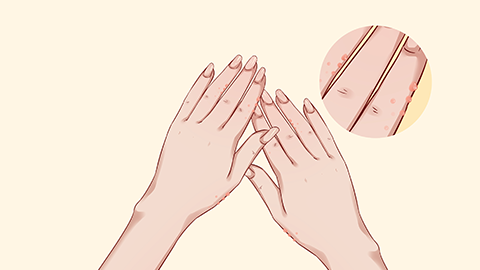
Eczema has many potential causes. In daily life, improper diet or excessive sun exposure, for example, may trigger flare-ups. Fortunately, eczema is generally not difficult to treat, so there’s no need for excessive worry. Please follow your physician’s instructions carefully—take medications as prescribed and on schedule—and recovery will likely be swift.

If you have a family history of eczema (e.g., affected parents or ancestors), it is advisable to take preventive measures—such as maintaining a balanced diet. Should you notice skin rashes accompanied by pain or itching, consult a healthcare provider promptly and actively cooperate with treatment. We hope this article has been helpful. Wishing you a joyful life and good health!


