


How is fatty liver disease treated?

Fatty liver disease is a digestive system disorder that can easily progress to cirrhosis or even liver failure, posing a serious threat to life. So, how is fatty liver treated?
How Is Fatty Liver Treated?
Treatment of fatty liver disease:
1. Weight control. This is achieved primarily through dietary therapy. Sustained low-calorie diets help reduce body weight and decrease hepatic fat accumulation. A weight loss of 3%–5% can alleviate hepatic steatosis and fully reverse simple fatty liver. A weight loss of 7%–10% improves hepatic inflammation and normalizes elevated serum transaminase levels. A sustained weight loss of ≥10% for over one year may reverse hepatic fibrosis.
2. Strict alcohol restriction. Patients with non-alcoholic fatty liver disease (NAFLD) must avoid excessive alcohol consumption regardless of whether liver injury is present. Those with NAFLD who habitually consume small amounts of alcohol do not necessarily need to abstain entirely. However, patients with active hepatitis, cirrhosis, or hepatocellular carcinoma have no safe level of alcohol intake and must completely abstain from alcohol.
3. Prevention of diabetes, regulation of lipid metabolism, and control of blood pressure.
4. Hepatoprotective, anti-inflammatory, and anti-fibrotic therapies.
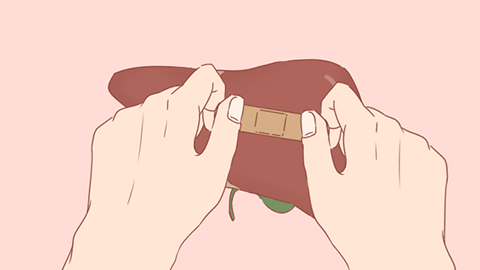
The clinical manifestations of fatty liver disease are diverse and may include generalized fatigue, anorexia, nausea, vomiting, and right upper quadrant abdominal pain. The liver may be palpably enlarged to a mild degree. Additional common findings in patients with fatty liver include glossitis, angular cheilitis, skin ecchymoses, and peripheral neuropathy (e.g., paresthesia in the extremities). In rare cases, gastrointestinal bleeding or gingival bleeding may occur. Severe fatty liver disease may lead to ascites and electrolyte imbalances.

Fatty liver disease poses significant risks to health. Early detection and prompt treatment are strongly recommended. We hope this information proves helpful to you!


