


Can individuals with fatty liver disease obtain a health certificate?

Fatty liver disease is a very common condition; however, due to limited public awareness regarding its severity and potential complications, it is often overlooked. So, can individuals with fatty liver disease obtain a health certificate?
Can individuals with fatty liver disease obtain a health certificate?
Individuals diagnosed with fatty liver disease may normally apply for a health certificate. Current requirements for issuing health certificates stipulate the absence of overt infectious diseases. Applicants must pass routine stool examinations and show no evidence of typhoid fever, paratyphoid fever, active pulmonary tuberculosis, or exudative skin diseases. Hepatitis B surface antigen (HBsAg) testing is not mandatory in standard health examinations. Fatty liver disease itself does not interfere with the health examination process.
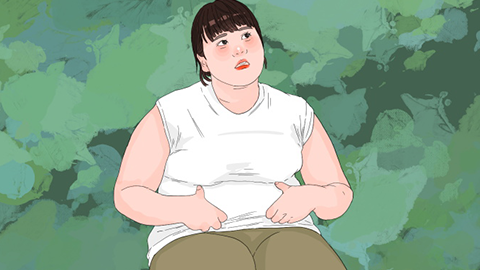
Fatty liver disease arises primarily from metabolic disorders. Therefore, initial management should focus predominantly—approximately two-thirds—on patient-driven lifestyle modifications, including dietary control and regular physical exercise. During dietary management, patients should avoid high-fat foods and moderately restrict intake of carbohydrates. Weight control is also essential; excessive body weight undermines efforts to manage fatty liver disease.

If lifestyle modifications are implemented, many patients with fatty liver disease—whose daily habits are often unhealthy—may experience significant improvement. For instance, patients should avoid staying up late, eating late-night meals, or going to bed hungry. Pharmacological treatment is generally reserved for cases beyond simple steatosis. In isolated fatty liver (i.e., without inflammation or fibrosis), drug therapy is unnecessary; instead, management centers on lifestyle guidance, emphasizing diet control and exercise. However, for moderate-to-severe fatty liver disease or steatohepatitis accompanied by abnormal liver function tests, adjunctive pharmacotherapy is recommended. We hope this article has been helpful. Wishing you a joyful life and good health!


