


What are the symptoms of mild fatty liver disease?

With improvements in living standards, an increasing number of people are developing fatty liver disease in daily life—not only harming physical health but also significantly affecting quality of life and work performance. Understanding this condition is essential for effective prevention and treatment. So, what symptoms are associated with mild fatty liver disease?
Symptoms of Mild Fatty Liver Disease
Clinically, fatty liver disease manifests in diverse ways. Most patients with mild fatty liver disease exhibit no obvious symptoms; some may experience only mild fatigue, discomfort or a sensation of distension in the hepatic region. Patients with fatty liver disease often have elevated body weight and tend to gain weight easily. Those with minimal or no symptoms are frequently diagnosed incidentally during routine health examinations. As the disease progresses from mild to moderate or severe stages, symptoms become more pronounced and resemble those of chronic hepatitis—such as loss of appetite, fatigue, nausea, vomiting, dull pain in the liver area or right upper quadrant of the abdomen, and mild hepatomegaly. Excessive fat accumulation and consequent hepatic swelling may stretch the liver capsule, leading to pain and tenderness in the right upper abdomen.
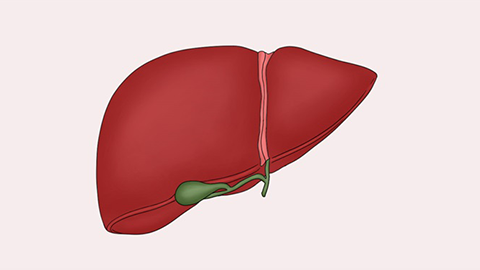
Patients diagnosed with mild fatty liver disease should undergo further evaluation, including assessment of body mass index (BMI), liver function tests, abdominal ultrasound (focusing on the liver and biliary system), lipid profile, and blood glucose levels—to accurately determine the severity and underlying causes of fatty liver disease, as well as whether hepatic injury has occurred. Dietary modifications are also crucial: adopt a healthy, balanced diet emphasizing low-sugar and low-fat foods; avoid late-night snacks and highly processed foods; reduce overall caloric intake while ensuring nutritional balance.
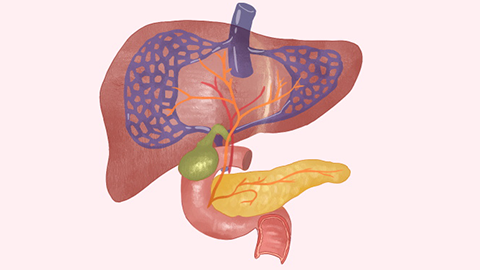
Avoid spicy and irritating foods in daily meals; drink plenty of water to support metabolic processes. Engage in appropriate outdoor physical activity to enhance immune function. We hope this information proves helpful to you!


