


Can people with high uric acid levels eat oranges?
May 19, 2022
Source: Cainiu Health

Dr. Liu Aihua
Introduction
Individuals with elevated uric acid levels can consume oranges. Patients with hyperuricemia are encouraged to eat fruits in moderation; however, portion control is essential. It is recommended that individuals with high uric acid intake only small amounts of fruit daily—such as a modest serving of oranges—preferably as a snack between meals. This is because oranges contain natural sugars; excessive consumption may lead to excess caloric intake. Hyperuricemia is typically classified as a chronic metabolic disorder.
The fruit of plants in the Rutaceae family, oranges are one of the most commonly consumed fruits in daily life. With their vibrant color and sweet-and-sour taste, they are widely enjoyed. But can individuals with elevated uric acid levels eat oranges?
Can people with high uric acid eat oranges?
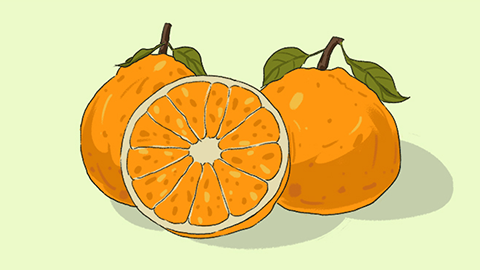
Yes, individuals with elevated uric acid levels may consume oranges. In fact, patients with hyperuricemia are encouraged to eat fruits in moderation. However, portion control is essential. It is recommended that those with high uric acid intake only small amounts of fruit per day—such as a modest serving of orange between meals. Oranges contain natural sugars; excessive consumption may lead to an overall caloric surplus. Since hyperuricemia is typically a chronic metabolic disorder, maintaining appropriate total caloric intake remains critical for optimal metabolic control.

Consuming small amounts of oranges can promote gastrointestinal motility and provide essential vitamins and dietary fiber. Fruits also contribute to hydration, which supports the body’s natural excretion of uric acid. Most cases of hyperuricemia stem from impaired renal uric acid excretion; thus, eating fruits and drinking ample water are beneficial. Individuals with high uric acid should limit intake of high-purine foods—including organ meats, seafood, and lean red meats (e.g., pork, beef, and lamb). Poultry such as chicken and duck may be consumed in limited quantities.
People with mildly elevated uric acid levels may also enjoy other low-purine fruits, such as pears, lemons, apples, bananas, kiwifruit, and pomelos—moderate consumption of these will not raise uric acid levels. Additionally, suitable food choices include buckwheat, millet, sweet potatoes, yams, milk, walnuts, almonds, and coix seed. We hope this information proves helpful!


