


What should I do if I develop itchy eczema on my body?

In daily life, some individuals develop eczema—a condition that disrupts their everyday activities and causes intense itching.
What should you do if eczema causes severe itching?
Several approaches can help alleviate itching. Topical medications may be applied locally to relieve itchiness; oral antihistamines can also be effective. In severe cases, intravenous administration of Western medications may be required. Specifically:
- For localized eczema without exudation, topical agents such as simvastatin lotion, dampness-removing and itch-relieving lotion, paeonol ointment, or boric acid–zinc oxide–borneol ointment may be used to reduce itching.
- For localized eczema with exudation, cool, moist compresses (e.g., cold compresses soaked in honeysuckle decoction) may provide symptomatic relief.
- For widespread eczema, oral antihistamines or intravenous glycyrrhizin preparations may be prescribed to control itching. Commonly used antihistamines include cetirizine (Xikewei), bilastine (Beixi’er), and ebastine.
Additionally, avoid scratching or rubbing the affected areas, as this may exacerbate inflammation and intensify itching.
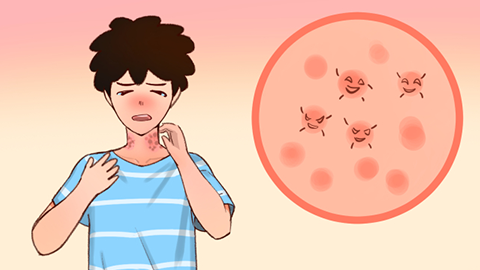
Eczema is a chronic allergic skin disorder. With advances in diagnostic techniques, its incidence has declined. Strictly speaking, many cases historically diagnosed as “eczema” are actually contact dermatitis, corticosteroid-dependent dermatitis, or atopic dermatitis. However, when no clear trigger can be identified—leading to recurrent allergic skin reactions characterized by pruritus and polymorphic rashes—the condition is still clinically referred to as eczema. The cornerstone of eczema management remains anti-allergic therapy.
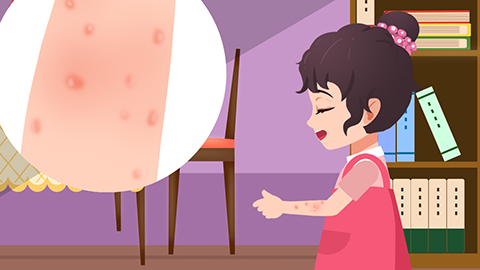
In daily life, maintaining good personal hygiene is essential to prevent eczema and safeguard both daily functioning and overall health. We hope this information proves helpful to you!


