


Differences Between Civilian Masks and Medical Masks
Mar 15, 2020
Source: Cainiu Health

Dr. Guo Xiheng
Introduction
Differences Between Civilian and Medical Masks:
1. **Production Standards**: Civilian masks generally lack standardized specifications, whereas medical masks must strictly comply with established industry standards.
2. **Protective Function**: Civilian masks are primarily designed for dust prevention, while medical masks are capable of filtering respiratory droplets.
3. **Intended Users**: Civilian masks are suitable for the general population, whereas medical masks are intended for specific clinical or healthcare settings.
A mask is a hygiene product, broadly categorized into air-filtering masks and supplied-air masks. Generally, it refers to a device worn over the mouth and nose to filter inhaled air, thereby preventing harmful gases, odors, and droplets from entering or exiting the wearer’s respiratory tract. So, what are the differences between civilian (non-medical) masks and medical masks? The following section addresses this question.
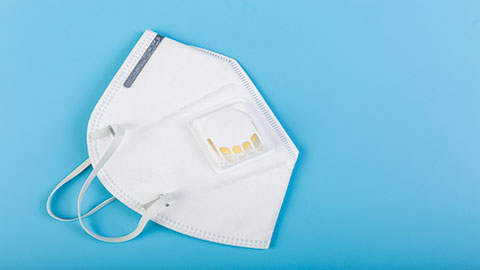
Differences Between Civilian Masks and Medical Masks
1. Different Production Standards
Civilian masks typically lack standardized regulatory specifications, and therefore offer no guaranteed filtration efficacy.
Medical masks must strictly comply with established industry standards. Whether surgical masks, medical protective masks, or disposable medical masks—each type adheres to its respective production standard.
2. Different Protective Functions
Civilian masks are primarily designed for dust protection and can filter relatively large particles such as pollen. However, they generally do not provide barrier protection against blood, bodily fluids, or other contaminants, nor do they require high facial seal integrity.
Medical masks are capable of filtering respiratory droplets and effectively blocking blood, bodily fluids, and secretions from penetrating the mask and contaminating the wearer. Moreover, medical masks are required to meet specific facial seal integrity standards.

3. Different Intended Users
Civilian masks are suitable for most individuals; however, people with cardiac or respiratory conditions, pregnant women, those experiencing dizziness after wearing masks, or individuals with sensitive skin should exercise caution.
Medical masks are intended for different user groups depending on their classification, as follows:
(1) Medical protective masks are indicated for healthcare personnel during clinical procedures involving patients with airborne or close-range droplet-transmitted respiratory infections.
(2) Medical surgical masks are primarily used by personnel working in clean environments rated at Class 100,000 or better (i.e., ≤100,000 particles ≥0.5 µm per cubic foot), including operating rooms, when caring for immunocompromised patients, or during invasive procedures such as body cavity punctures.

(3) General-purpose medical masks are intended for use by healthcare workers in routine clinical settings and offer the lowest level of protection among medical masks.
The above outlines the key differences between civilian and medical masks. We hope this information is helpful to you.





