


Is Down syndrome screening necessary?
May 19, 2022
Source: Cainiu Health

Dr. Chen Zhe
Introduction
Down syndrome screening is a critically important prenatal test, and it is recommended that all pregnant women undergo this screening to effectively prevent and reduce the incidence of Down syndrome. Extensive clinical data indicate that even individuals in the general population without prior medical history are at risk of having a baby with Down syndrome. The likelihood of having a child with Down syndrome increases with maternal age, and pregnant women aged 35 years and older are considered a high-risk group.
In daily life, many women become highly concerned about their baby’s health after becoming pregnant. Prior to delivery, all expectant mothers must undergo Down syndrome screening. But is Down syndrome screening truly necessary?
Is Down Syndrome Screening Necessary?
Down syndrome screening is a critically important prenatal test, and it is recommended for all pregnant women. It helps effectively prevent and reduce the incidence of Down syndrome. Extensive clinical data indicate that even among healthy individuals with no prior medical history, the risk of having a baby with Down syndrome remains significant—approximately 1 in 800 to 1 in 1,000. Moreover, the risk increases with maternal age; women aged 35 years or older are considered high-risk. The screening procedure is simple and non-invasive, requiring only a routine venous blood draw.

“Down syndrome screening” is the abbreviated term for prenatal Down syndrome screening—a specialized diagnostic method. Its purpose is to analyze maternal blood serum for levels of alpha-fetoprotein (AFP), human chorionic gonadotropin (hCG), and unconjugated estriol (uE3). These biomarker concentrations, combined with maternal factors such as age, weight, and gestational age, help estimate the fetus’s risk for trisomy 21 (Down syndrome) and neural tube defects. Down syndrome—also known as trisomy 21 syndrome, congenital intellectual disability, or Down’s syndrome—is a genetic disorder caused by chromosomal abnormality.
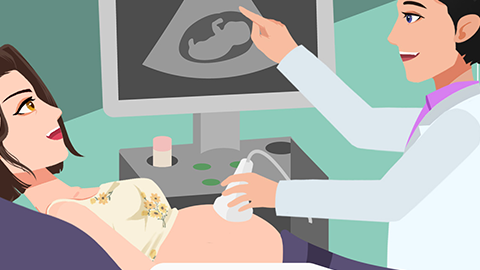
Pregnant women should diligently attend all scheduled prenatal examinations. Do not skip any tests due to inconvenience or cost concerns—missing even a single examination could lead to serious consequences. We hope this information proves helpful to you!





