


Can people with high uric acid levels eat freshwater shrimp?

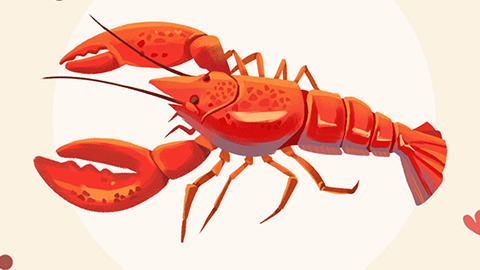
River shrimp have an exceptionally delicious and savory flavor. Moreover, they are rich in protein and calcium, offering numerous health benefits when consumed. But can individuals with high uric acid levels eat river shrimp?
Can individuals with high uric acid levels eat river shrimp?
Patients with hyperuricemia may consume small amounts of river shrimp, but should avoid excessive intake. Although river shrimp contain only moderate levels of purines—not high levels—some purines are lost during cooking and processing. Individuals with elevated uric acid should primarily avoid high-purine foods, such as organ meats, seafood, beer, liquor, carbonated beverages, crab, and clams. Additionally, they should drink plenty of water—aiming for a daily intake of 2,000–2,500 mL.
For patients diagnosed with hyperuricemia, if serum uric acid exceeds 500 µmol/L, uric acid–lowering medications should be initiated under medical supervision. These include uricosuric agents (which promote uric acid excretion) and/or xanthine oxidase inhibitors (which suppress uric acid production). Therefore, in addition to dietary management, patients should also control blood pressure, blood glucose, and lipid levels. Overweight individuals should aim for weight reduction to maintain serum uric acid within a healthy target range.
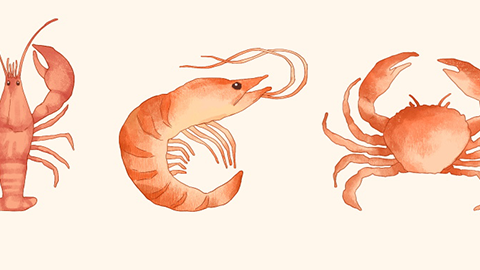
Dietary recommendations for hyperuricemic patients emphasize reducing intake of high-purine foods—including shellfish such as crab, shrimp, and clams—as well as organ meats and meat broths (especially those made from beef or lamb), which are all notably high in purines. Intake of red meat and seafood should be limited. Beer, too, contains relatively high purine levels and should therefore be consumed sparingly. We hope this information proves helpful!


