


Is heterogeneous fatty liver severe?
May 19, 2022
Source: Cainiu Health

Dr. Zhao Haiming
Introduction
Diffuse fatty liver is generally not severe. Although ultrasound provides a diagnostic tool for this condition, its characteristic sonographic appearance often leads to misdiagnosis—commonly mistaken for hepatic hemangioma or intrahepatic space-occupying lesions. Patients with fatty liver must abstain from alcohol and consume more vegetables and fruits. Energy intake should not be excessive, and patients should engage only in light physical activity.
Fatty liver can be classified into two types: homogeneous and heterogeneous. Heterogeneous fatty liver is relatively rare and is also known as focal fatty liver or focal hepatic steatosis—a special subtype of fatty liver disease. So, how serious is heterogeneous fatty liver?
Is Heterogeneous Fatty Liver Serious?
Homogeneous fatty liver is generally not considered severe. Although ultrasound serves as a diagnostic tool for this condition, its characteristic sonographic appearance often leads to misdiagnosis—commonly mistaken for hepatic hemangioma or other intrahepatic space-occupying lesions.
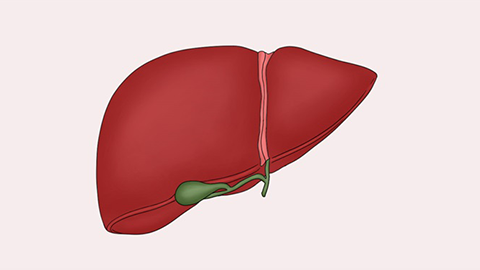
Patients with fatty liver must abstain from alcohol and consume more vegetables and fruits. Energy intake should not be excessive: for patients with fatty liver who engage in light physical activity and maintain a normal body weight, daily caloric intake should be approximately 126–147 kJ per kilogram of body weight to prevent weight gain and avoid exacerbating fat accumulation in the liver.
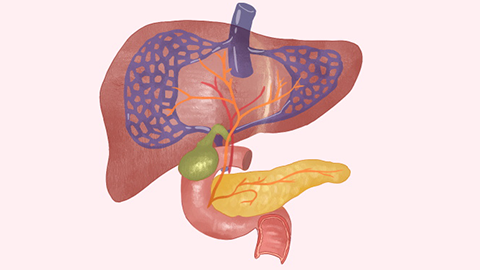
If a patient develops symptoms of heterogeneous fatty liver, dietary adjustments are essential in daily life. A liver-protective diet can be achieved through color-based food selection. Meals should be carefully balanced across three daily servings—combining coarse and refined grains, ensuring nutritional balance, and drinking ample plain water. Adequate protein intake helps clear fat from the liver. Additionally, patients with fatty liver should engage in appropriate aerobic exercise, such as jogging, brisk walking, badminton, or table tennis. We hope this article has been helpful to you!


