


Can people with high uric acid levels eat white radish?

If uric acid levels are elevated, it is acceptable to consume moderate amounts of radish; however, high-protein foods must be strictly avoided. Radish consumption is not suitable for everyone—individuals with weak constitutions, spleen-stomach deficiency-cold, gastric or duodenal ulcers, and similar conditions are generally advised against frequent or excessive intake. So, can individuals with hyperuricemia eat white radish?
Can individuals with hyperuricemia eat white radish?
Yes, individuals with elevated uric acid levels may consume radish. Radishes are rich in vitamin A and vitamin C, which help replenish essential vitamins. Additionally, radishes possess diuretic, heat-clearing, digestive-promoting, appetite-stimulating, and spleen- and stomach-tonifying properties—beneficial effects that may help alleviate symptoms associated with hyperuricemia. However, when uric acid levels are high, it is crucial to avoid high-protein foods such as soy products, eggs, and red meat. Patients taking uric acid–lowering medications should also note that radish is unsuitable for those with spleen-stomach deficiency (e.g., individuals experiencing infrequent bowel movements), who should therefore reduce their intake. Moreover, radish should be avoided during treatment with ginseng-based tonics, as it may interfere with therapeutic efficacy.
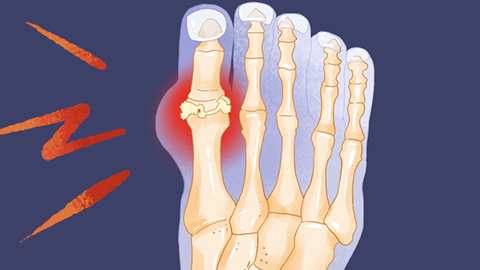
Generally, patients with hyperuricemia may safely consume white radish. However, individuals with constitutional weakness, spleen-stomach deficiency-cold, gastric or duodenal ulcers, chronic gastritis, simple goiter, threatened abortion, or uterine prolapse should avoid excessive consumption.

Foods suitable for individuals with hyperuricemia include potassium-rich options such as bananas, broccoli, and celery. Potassium helps prevent uric acid crystallization and promotes its excretion from the body. Adequate intake of seaweed, Chinese cabbage, celery, cucumber, apples, and tomatoes is recommended. Foods that promote qi circulation, invigorate blood, and relax tendons and meridians are also beneficial. In Shanghai, a traditional remedy for hyperuricemia involves preparing a decoction of Taxillus sutchuenensis (Sang Jisheng) sweetened with rock sugar—eggs should be omitted, though lotus seeds may be added. We hope this article has been helpful. Wishing you a joyful life and optimal health!


