


Can people with high uric acid levels eat shrimp?

Everyone knows that seafood is delicious and a favorite food for many people. However, it is commonly believed that frequent consumption of seafood may not be beneficial to health—especially for individuals with elevated uric acid levels. So, can people with high uric acid eat shrimp?
Can people with high uric acid eat shrimp?
Individuals with high uric acid levels may consume shrimp—but only certain parts. Shrimp is highly nutritious, yet different parts contain varying amounts of purines and cholesterol. Patients with hyperuricemia should minimize intake of foods rich in purines and cholesterol. The shrimp head and roe (shrimp “yellow”) contain relatively high levels of both purines and cholesterol, whereas shrimp meat consists primarily of protein. Therefore, patients with hyperuricemia should remove the head and roe before eating shrimp and may consume shrimp meat in moderation to obtain protein.
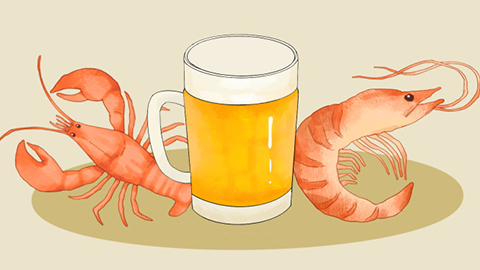
Excessive uric acid production is closely linked to a high-purine diet. Regular consumption of high-purine foods increases uric acid synthesis. Thus, individuals with hyperuricemia must strictly avoid high-purine foods—including organ meats, soy products, beer, seafood, and mushrooms. Additionally, sugary beverages—such as cola—should also be avoided, as they contribute to increased uric acid formation.
Moreover, patients with hyperuricemia should be aware that other animal organs and seafood also contain high levels of purines. In daily life, broths and soups—especially those prepared by prolonged simmering—also tend to be high in purines; therefore, such soups should be consumed sparingly or in very small quantities. Furthermore, regular physical activity and adequate hydration can enhance uric acid excretion and help lower serum uric acid levels. We hope this information proves helpful!


