


What types of fish can people with high uric acid levels consume?

Elevated uric acid refers to serum uric acid levels exceeding the upper limit of normal. However, elevated uric acid does not necessarily equate to hyperuricemia, as uric acid levels are closely associated with gender and age. So, which types of fish can individuals with high uric acid consume?
Which Fish Can Individuals with High Uric Acid Eat?
Individuals with elevated uric acid should avoid freshwater fish, seafood, organ meats (e.g., liver, kidney), beer, and soy products. Fish consumption should generally be minimized. This also includes red meats such as beef, lamb, and pork. These animal-derived foods contain moderate amounts of purines, which can influence uric acid levels. Smoking cessation is essential for patients with hyperuricemia—particularly avoiding secondhand smoke—and maintaining regular sleep patterns, increasing physical activity, and keeping body weight within the normal range are strongly recommended.
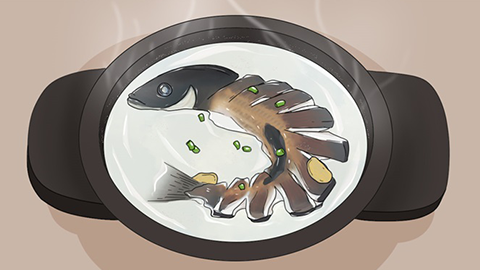
Elevated uric acid levels primarily result from impaired uric acid metabolism. Without timely intervention, this may progress to gout. Patients with hyperuricemia must pay close attention to daily dietary habits: avoid high-purine foods such as seafood and organ meats; reduce overall food intake; and steer clear of high-sugar and high-cholesterol foods. In addition to enhancing physical exercise, increasing daily water intake significantly aids uric acid excretion and metabolism.
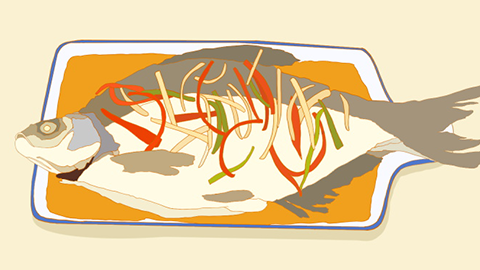
Men aged 40 years and older should undergo routine screening for serum uric acid levels. If symptoms such as joint pain or tophi are present, symptomatic treatment with medications like probenecid or bromosulfonphthalein may be considered, alongside sodium bicarbonate supplementation to alkalinize the urine. We hope this information proves helpful!


